
A distributor in Lagos called me last month. He sold 400 rolls of cheap dyed film two years ago. Now his customers are coming back. The film turned purple. Some of it is bubbling. He asked me one question: “Can I fix this?”
Short answer: no. Once window film turns purple, you can only replace it. And replacing it costs more than the film did in the first place.
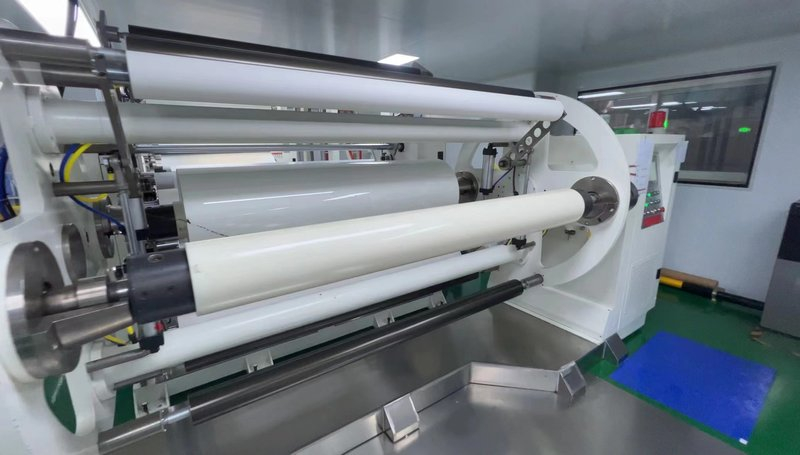
I work at KSB, a window film factory in Guangzhou. I’ve spent over a decade watching films age — in Dubai heat, in Manila humidity, in Lima sun. This article explains why cheap film fails, what that failure costs you, and how to spot the problem before you order. No fluff. Just what I’ve seen on both sides of the table. If you’re still weighing which type to stock, our Automotive Window Film Buyer’s Guide compares dyed, carbon, and ceramic side by side.
The Purple Color Starts in the Dye, Not the Sun
Cheap film turns purple because of the dye inside it. Most budget films get their color from three dyes: red, blue, and yellow. Mix them in the right amounts and you get black. That’s the trick. But the sun breaks down each dye at a different speed.
Yellow fades fastest. In 2-3 years of strong sun, most of the yellow dye is gone. What’s left is red plus blue. Red plus blue is purple. That’s the whole mystery of why window film turns purple.
Think of it like cheap paint on a gate. Mix three colors, leave it in the sun for a year, and one color fades first. Same thing happens inside a $2-per-meter film.
Why do cheap films fail faster? Two reasons. First, the dyes are low grade. Second, the film has few UV absorbers. UV absorbers protect the dye. A good film packs them into the adhesive and the PET core. A budget film saves money by skipping them. You can see the result on any 3-year-old car in Miami or Houston.
Purple film also hurts your customer’s shop, not just their cars. A customer walks into a tint shop, sees a purple rear window, and thinks the shop does sloppy work. The shop owner takes the blame, and he remembers who sold him the film. In a city like Riyadh, where referrals drive most business, one purple car can cost a shop weeks of new work.
Bubbles Are a Glue Problem, Not a Magic One
Bubbles are different from purple. Purple is a dye problem. Bubbles are usually a glue problem.
Every film has an adhesive layer that sticks to the glass. Cheap adhesive loses grip over time. Heat makes it worse. After 12-24 months, the film starts to lift off the glass in patches. Air gets under it. Those patches are what your customers call bubbles.
There’s a second cause: the release liner. This is the plastic sheet you peel off before install. Cheap liners leave residue or an uneven surface. That makes the film stick unevenly from day one. Small bubbles appear within weeks, not years.
One more failure I see a lot: metal film that oxidizes. Some reflective films have a metal layer. If the metal isn’t sealed well, it reacts with air and moisture. The film turns cloudy, and the edges can lift. A tint shop in São Paulo showed me a 2-year-old roll that looked like frosted glass. The film was fine in the box. The metal layer died in the sun.
Here’s how you tell bubbles apart. Bubbles that show up within the first week are almost always an install issue — dirt, water, or bad squeegee work. Bubbles that appear after 6 months are the film. When the same bubbling pattern shows up on 5 or 6 cars that used the same roll, stop blaming the installers. The roll is the problem.
What Purple Film Actually Costs Your Business
Let’s do the math on one failed order.
Say you sell a roll for $50 that covers about 10 cars. Your customer’s shop charges $150 per car for tint. When the film fails, the shop has to strip and re-tint. That’s 2 hours of labor per car plus a new film. The shop eats $80-100 per car in labor alone. Multiply by 10 cars. That’s $800-1,000 of lost money — from one $50 roll.
Your customer won’t absorb that quietly. They’ll ask for a refund, a replacement, or a credit. And they’ll tell every shop owner they know. In a market like Jakarta or Bangkok, where shops talk constantly, one bad batch can kill your name.
I’ve seen a distributor lose three steady customers over one container of bad film. The film cost him $9,000. The lost customers were worth $40,000 a year. That cheap film was the most expensive thing he ever bought.
Then there’s the warranty treadmill. When film fails, the factory sends a replacement roll. Sounds fair. But you pay the freight — often $150-250 to ship one roll from Guangzhou to Lagos or Lima. The replacement takes 30-45 days. Your customer is still angry, and you’re out shipping money on a product that already failed once.
How to Spot Problem Film Before You Order
You can’t wait 3 years to find out why window film turns purple. Here’s what I check, and what you should check too.
Price below market. Dyed film with good dyes and UV protection costs more than $3-4 per meter from a real factory. If the price sits far below that, ask what they cut. Something got cut.
Ask for color-stability data. Real factories can show accelerated weathering tests — ASTM G154 or similar. 1,000 hours of test time equals roughly 1-2 years of sun. If a supplier can’t show this, they haven’t tested it.
Ask about UV absorbers. Where are they — adhesive, core, or both? A film with UV absorbers in both layers lasts much longer. Our K series puts them in both.
Order a sample and bake it. Put a piece of film on glass, leave it in a south-facing window for 30 days, and compare the color to a fresh piece. This simple test has caught more bad film than any spec sheet I’ve read.
Check the structure. Dyed 2-ply film will always fade some. That’s physics. If your market needs a film that keeps its color, move up to carbon or ceramic. Those films don’t rely on dye for color. Not sure what the numbers on a test report mean? Start with how to read a window film spec sheet.
Ask what the warranty covers. A 5-year color-stability warranty means the factory is confident. A warranty that only covers delamination? Ask more questions.
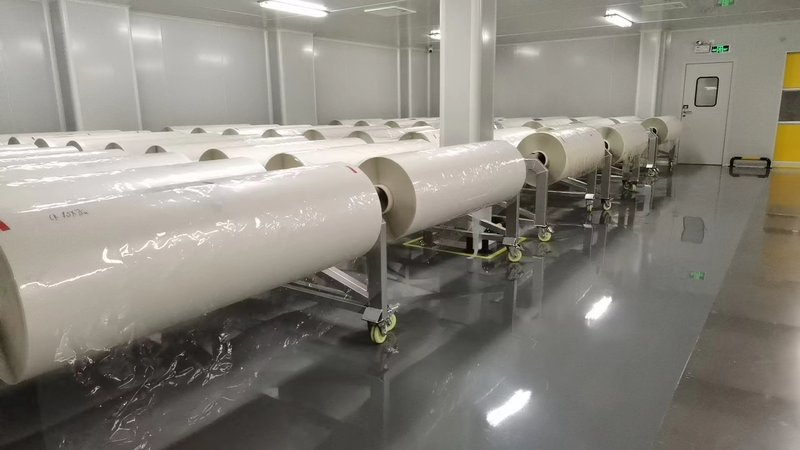
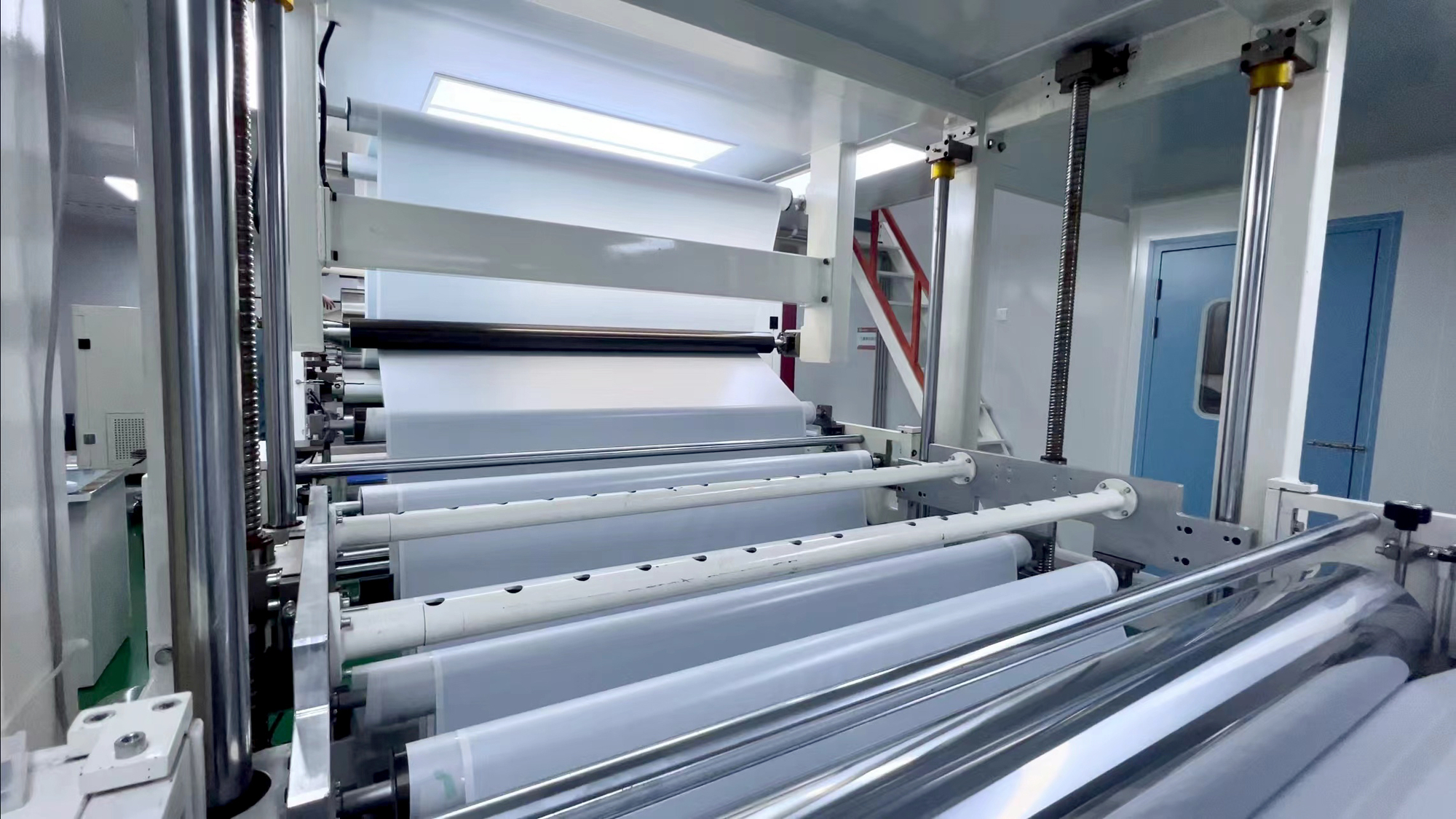
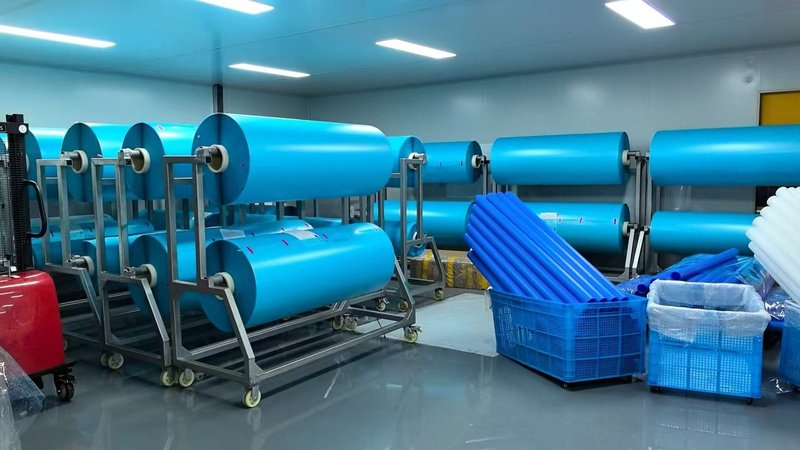
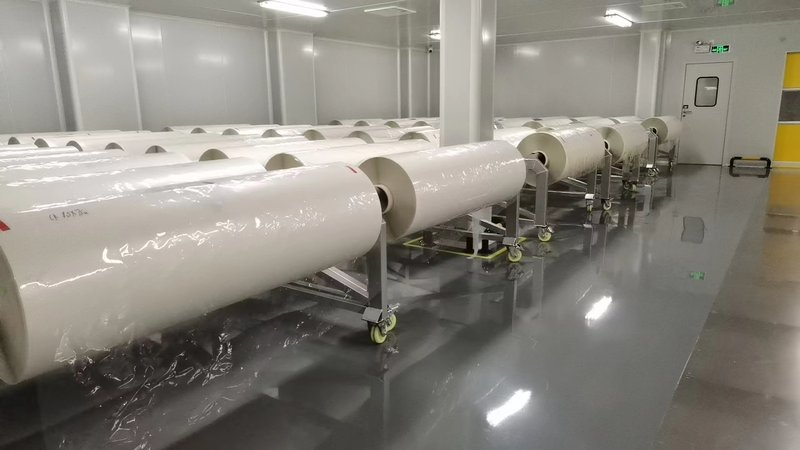
See the factory or get a video tour. You want to see where the film is made and how the adhesive is applied. We give live video tours to buyers who ask. A factory that hides the line is usually hiding something else.
What to Stock Instead of Cheap Dyed Film
Here’s the good news. You don’t need to sell premium-only to avoid purple film. The full KSB window film product line gives you an option at every price point.
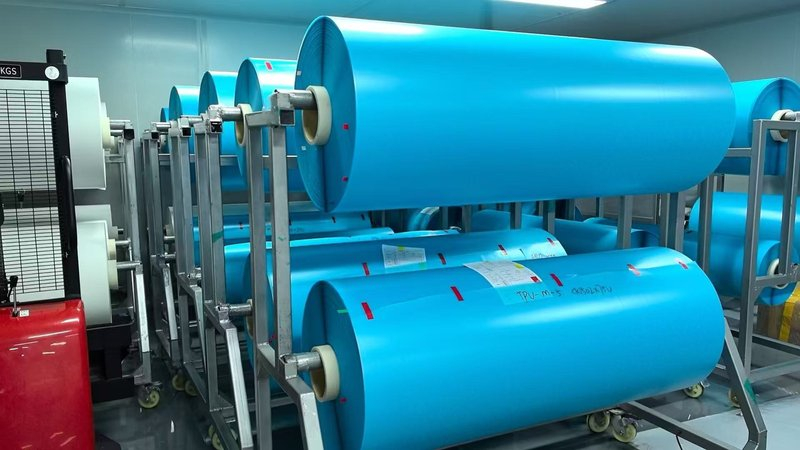
K series is our color-stable entry film. It’s a regular 2-ply film, but the dyes are chosen to fade evenly. It stays dark, it doesn’t go purple, and it doesn’t peel in 2-3 years. Sales of this film are massive in price-sensitive markets across South America and Africa.
DD series is our carbon film. Carbon films are dark and matte. They’re built for speed — easy to work with, great for high-volume shops and fleet jobs. It comes with a 5-year warranty. If your customer runs a busy shop in Manila and needs cars in and out fast, this is the film.
For hot markets, go ceramic. IR series rejects up to 82% of heat and is a pure ceramic film at a competitive price. NK series hits 95% heat rejection with a slight green tint that matches modern factory glass. XO series tops out at 98% with full UV block — it’s our 2021 product built for the Gulf.
Two more options round out the shelf. SF series is a nano-ceramic with a touch of metal — 92-95% heat rejection and a cleaner look on the glass. PK series is a reflective film, an upgrade from K with better heat rejection and clarity, for the customers who still want that reflective finish.
Match the film to the market. Gulf and Middle East: lead with XO and NK. South America: IR and DD sell best. Southeast Asia: the full range works — K for entry shops, XO for premium installers. Whatever you pick, one rule stays the same: never let price alone decide the film you stock.
FAQ
Q: How long before dyed window film turns purple?
A: Usually 2-3 years in strong sun. Faster near the equator or at high altitude.
Q: Does ceramic film turn purple?
A: No. Ceramic film gets its color from ceramic particles, not dye. The color stays stable for the life of the film.
Q: Are bubbles always a film defect?
A: No. Poor installs cause bubbles too. But bubbles that appear after 6 months are usually the adhesive failing.
Q: Is there any way to fix purple film?
A: No. You can only remove and replace it.
Q: What’s the cheapest film that won’t turn purple?
A: A color-stable film like our K series. It costs more than basic dyed film but far less than ceramic.
Q: Will my supplier show me color-stability data?
A: A serious factory will. We send ours to any buyer who asks — one page, the test standard, and the results.
Conclusion
Cheap film is a trap. It saves you $1-2 per meter now and costs you customers later. The fix is simple: ask the right questions before you order, test a sample, and stock film that’s designed to keep its color and won’t leave your customers wondering why window film turns purple.
If you’re sourcing window film and want a second pair of eyes on a spec sheet, send us a message. We’ll tell you honestly what will and won’t work for your market. We ship to 50+ countries and we answer every buyer who asks for color-stability data.
One last tip from the factory floor: whatever you buy, test it in your own window first. Thirty days of sun tells you more than a year of promises.