
A tint shop owner in Dubai ran his numbers last spring. His best tint job that month billed $420. The PPF job he turned down would have billed $2,900.
He called us the following week with one question. How hard is it to learn?
That is what this article answers: what is paint protection film, what it costs, what it earns, and what it takes to add it to your menu.
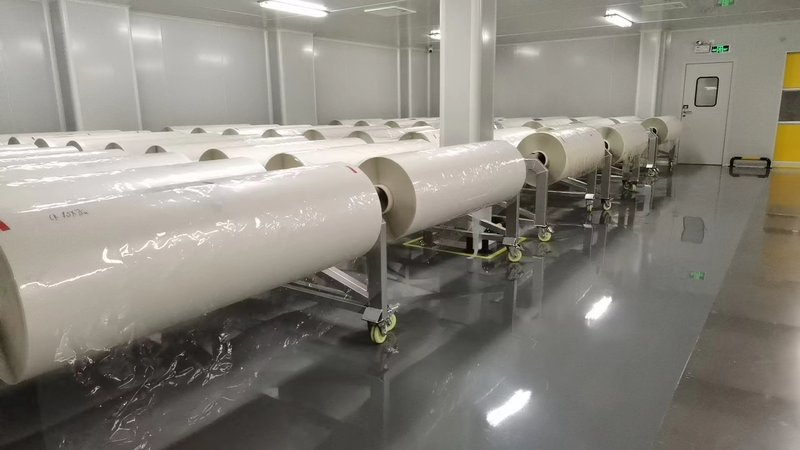
What Is Paint Protection Film? PPF Explained in 2 Minutes
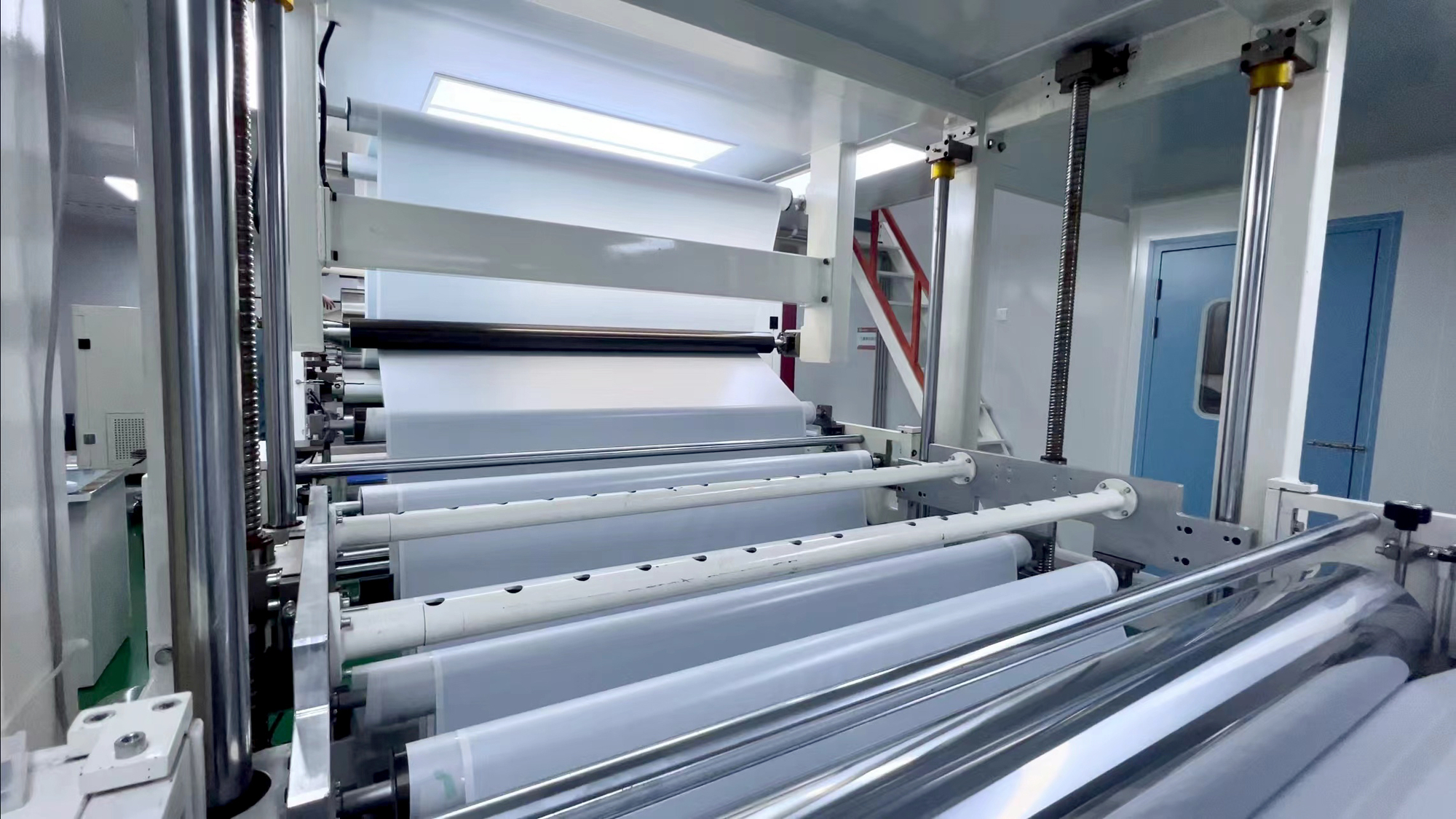
Paint protection film is a clear sheet of thermoplastic polyurethane. It bonds to your customer’s painted panels and takes the hits that would otherwise reach the paint.
TPU Material, Explained Without the Lab Coat
Most automotive PPF runs 7.5 to 8 mil thick. That is 190 to 203 microns, roughly four times thicker than a window tint film.
A typical 8 mil build breaks down like this. Top coat 0.5 mil, polyurethane core 6.5 mil, adhesive 1.0 mil.
Think of it as a phone case for paint. Thin, clear, and the thing that gets scratched instead of the surface underneath.
The global PPF market sat at $1.68 billion in 2026. Analysts project $2.60 billion by 2032, growing at 7.41% a year.
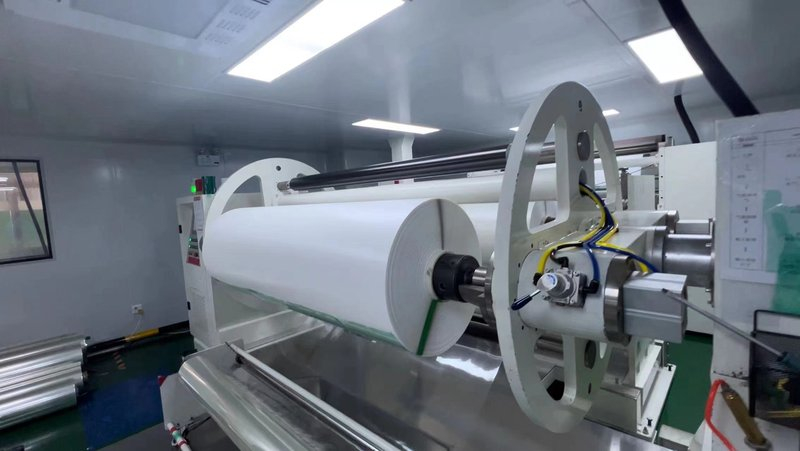
TPU comes in two families, and the difference decides your warranty claims. Aliphatic TPU resists yellowing. Aromatic TPU does not.
In the Gulf, dark car hoods reach 80 to 90°C in summer. Aromatic film turns yellow there within months, not years.
Ask for the weathering report. Quality film survives 3,000 hours of QUV testing with colour shift below Delta E 2.
Other numbers worth checking. Elongation at break above 330%, peel adhesion around 670 to 720 N/m, water contact angle above 103°.
Here is the trap. A roll sold as TPU for $25 is not the same polymer as a premium roll at $70. Same name, different film.
Self-Healing Technology, Explained Simply
The top coat holds elastomeric polymers in a semi-solid state. Heat makes them reflow and close the scratch. Sunlight does it, and so does warm water.
You can test it yourself. Wipe the surface ten times with a brass brush under 750g load. Then pour 35°C water over it for five seconds.
A good film recovers 90 to 98% of the mark. A cheap one leaves a permanent haze.
Tell every customer this before they pay. Self-healing fixes light scratches and wash swirls. It does not fix a rock chip that cut through the film.
What PPF Actually Stops, and What It Doesn’t
PPF stops stone chips, road rash, bug acid, bird droppings, light scratches and UV fading. That is a long list, and it is why people buy.
It does not stop a real impact that dents metal. It reduces how often chips happen and how bad they look. It does not erase them. Glass is a different story — see what windshield protection film can and cannot do before you promise customers the impossible.
One more thing to explain up front. PPF magnifies whatever sits under it. Swirl marks and oxidation get locked in permanently.
That means paint correction often comes first. It adds 5 to 20 labour hours and $500 to $2,500 to the bill.
How PPF Is Different From Window Tint
Tint goes on the inside of glass and changes the light. PPF goes on the outside of paint and changes nothing you can see — and if you have ever wondered how professional installers decide which side of the glass film goes on, we cover that in detail in our installation guide.
Different material, different tools, different skill. Shops that sell them as one product line are the shops that lose money on both.
| Paint protection film | Window tint | Vinyl wrap | |
|---|---|---|---|
| Material | Aliphatic TPU | PET with ceramic, carbon or dye | Cast PVC |
| Thickness | 7.5-8 mil (190-203 microns) | 1-2 mil (25-50 microns) | 3-4 mil (80-100 microns) |
| Applied to | Outside painted panels | Inside glass | Outside painted panels |
| Main job | Impact and chip protection | Heat, glare and UV control | Colour change and graphics |
| Self-healing | Yes, heat activated | No | No |
| Typical lifespan | 7-10 years | 5-15 years by series | 5-7 years |
| Warranty | Up to 10 years | 5-15 years by series | 3-5 years |
PPF vs Vinyl Wrap: Different Job, Different Film
Both are films laid over paint, which is where the confusion starts. They do opposite jobs.
In 3M’s own product line, the PPF measures 7.9 mil with adhesive. The wrap film measures 4.5 mil. That gap is the whole story.
Vinyl is built to conform to curves and hold colour. It shields paint from sun and light abrasion. It will not stop a stone at highway speed.
Coloured PPF now sits between the two. Shops carrying it report tickets 40 to 60% higher on full colour installs than on clear-only work.
One rule to remember. PPF over vinyl is not manufacturer-supported. PPF first, vinyl second. Or strip the panel and start clean.
Why PPF Customers Spend 3-5x More Per Car
A tint customer is buying comfort. A PPF customer is protecting an asset — and that mix is the foundation of building a window tinting business that holds its margin.
The average new car in the United States now costs more than $48,000. Spending $2,499 to protect that paint is about 5% of the car.
Average PPF Job Price vs Tint Job Price
Film cost is typically 20 to 30% of the job price. Quote a full front job at $1,800 and your film should cost $400 to $500.
If it costs much more, your pricing is broken. If it costs far less, you are buying film that fails and returns as a warranty claim.
These are 2026 US retail figures. Shops in the Gulf and Southeast Asia land 30 to 50% lower on installed price, because labour costs less there.
| Service | Typical retail (USD) | Labour hours | Film cost |
|---|---|---|---|
| Sedan window tint, 5 windows + rear | $250-$600 | 2.5-4 | $150-$350 ceramic |
| Partial front PPF, bumper only | $899-$1,199 | 3-4 | $150-$250 |
| Full front PPF, bumper + hood + fenders + mirrors | $2,499-$3,499 | 4-6 | $400-$650 |
| Full body PPF, sedan | $4,999-$7,999 | 20-35 | $1,200-$2,500 |
| Full body vinyl wrap, sedan | $3,900-$5,200 | 16-24 | $540-$1,225 |
Compare the labour column against the retail column. A full body PPF job eats 20 to 35 hours of skilled labour. That is why it costs what it costs.
Gross margins on PPF land between 62 and 68% in well-run shops. Four to six full front jobs a week grosses $50,000 to $75,000 a month.
The Installation Learning Curve: Is It Hard?
Yes, and it is harder than tint. The film is thicker, the tolerances are tighter, and a ruined kit is real money off a four-figure roll.
That is the honest answer most suppliers will not give you. PPF punishes improvisation harder than tint does.
Where New Installers Actually Struggle
Flat and lightly curved panels come fast. Most new installers feel confident there within a few weeks of steady practice.
Complex work takes months. Deep bumpers, sensor cutouts, wrapped edges on curved fenders. That is where the callbacks live.
Body shape drives cost more than surface area. A full front on a Tesla Model 3 runs about $2,200. The same coverage on a Corvette C8 runs $3,000+.
That $800 gap is pure labour complexity. Every tight corner risks over-stretching, adhesive failure or a visible stretch mark.
If you already employ wrap installers, they ramp faster. Heat discipline and panel patience transfer. Do not assume equivalence though.
A vinyl-trained team does not become a PPF team on a Tuesday.
Training Resources That Are Worth the Money
Manufacturer courses run two to five days. 3M’s programme costs $2,995 per person over three days and includes film and tools.
You leave with a certificate, then pass an installation test within 12 months to earn Preferred Installer status.
Other benchmarks. Detail King’s 3-day course is $2,995. Rightlook’s 2-day programme is $1,999 with a roll and tool kit included.
In Europe, XPEL’s five-day training is 2,900 euros. The Vinyl Academy in the UK charges 600 pounds for one day and 995 for two.
Look for programmes that put 40 or more hours of film in your hands. Watching is not training.
Certification also has a commercial edge. With several manufacturers, authorised installer status is what activates the customer’s warranty at all.
A full-time intensive runs four to six weeks and costs $3,500 to $7,500. Graduates typically clear tuition within 60 to 90 days of paid work.
How to Start Offering PPF Without a Huge Investment
You probably own half the equipment already. The rest of the list is shorter than a print-wrap setup, but far less forgiving. It also pays to fix sourcing first — learn how to import window film directly for your tint shop so material cost never eats your margin.
The plotter is the anchor purchase. A 60-inch class machine like the Graphtec FC9000 is the trade default, and it runs $5,000 to $15,000.
What You Actually Need Before the First Job
It needs a 45 degree blade rated for thick material, dialled-in pressure, and a media basket so the film never touches the floor.
Then the bay. PPF goes on wet over freshly decontaminated paint, and dust is the enemy. Filtered air, washed floors and good cross lighting.
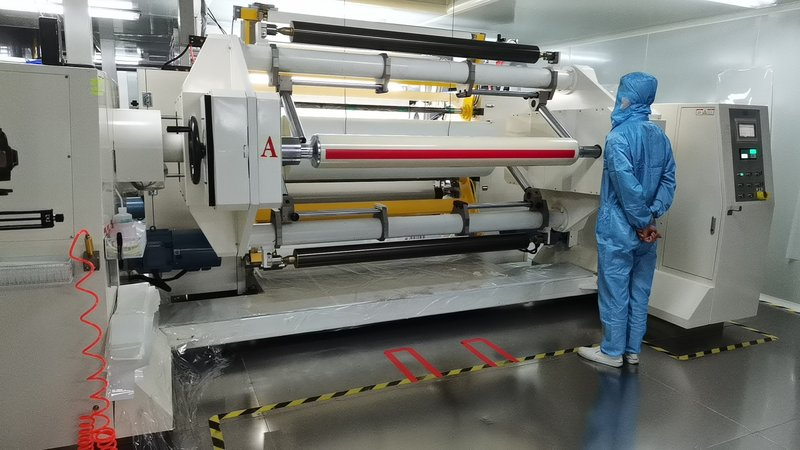
Keep the wash and prep area away from sanding or polishing work. One dust particle under the film means re-cutting the panel.
Consumables are cheap by comparison. Slip and tack solution, sprayers, PPF squeegees, lint-free prep, and a steamer or heat gun.
Add up plotter, software, training and two or three rolls. A realistic entry is low five figures. This is not a side experiment.
Start With a Sample Kit, Not a Container
There is a cheaper route. Buy pre-cut kits for your top five models instead of a plotter. Film costs more per job, setup costs almost nothing.
Order two to five metres of each grade before you commit to a container.
Bench test it. Stretch it by hand. Peel the liner and watch where the adhesive stays. Hold it to light and look for haze.
Then hit a scrap panel with a heat gun and watch a scratch close. Ten minutes at the bench beats any brochure.
Ask for paperwork too. Material declaration, TDS, COA, lot numbers, QUV report, peel data, and the warranty scope in writing.
Here is why that matters. One unstable roll can affect several installation jobs and turn a warranty question into a relationship problem.
Wholesale reality from China, ex-works for a 1.52m by 15m roll. Budget PVC or low-grade TPU runs $18 to $35.
Mid-range TPU with a standard top coat is $40 to $65. Premium TPU with a self-healing top coat is $65 to $100.
Ultra-premium low-haze TPU starts at $100 and can pass $160. Landed cost adds another 25 to 45% on top of ex-works.
A realistic entry is low five figures. That covers plotter, software, training and starting film. Skip the plotter at first and the number drops fast.
FAQ: PPF for Tint Shops and Distributors
Is PPF harder to install than window tint?
Yes. The film is thicker, the tolerances are tighter, and mistakes cost more. Budget several months of practice before you advertise full body work.
What is paint protection film made of?
TPU is thermoplastic polyurethane, and it is what real PPF uses. PVC is thinner, cheaper, and it does not self-heal. A PVC product sold as PPF will fail early in a hot climate.
How long does paint protection film last?
Quality aliphatic TPU carries a 5 to 10 year warranty and often runs 7 to 10 years in service. Cheap film in a hot climate can yellow inside 12 months.
Can I sell PPF to fleet customers?
Yes, and fleets are the fastest route to volume. Delivery vans and service vehicles take constant stone damage, and simplified film structures install faster.
What should I ask a PPF supplier before ordering?
Ask for polymer type, total thickness, top coat thickness, adhesive chemistry, QUV hours, peel data, lot numbers and warranty scope. Get all of it on paper before you pay.
Will my existing wrap team be able to install PPF?
Partly. Wrap installers ramp faster because heat discipline and panel patience transfer. But a vinyl-trained team does not become a PPF team overnight — budget extra bench time on complex panels before you sell full body work.
Get PPF Samples Before You Commit
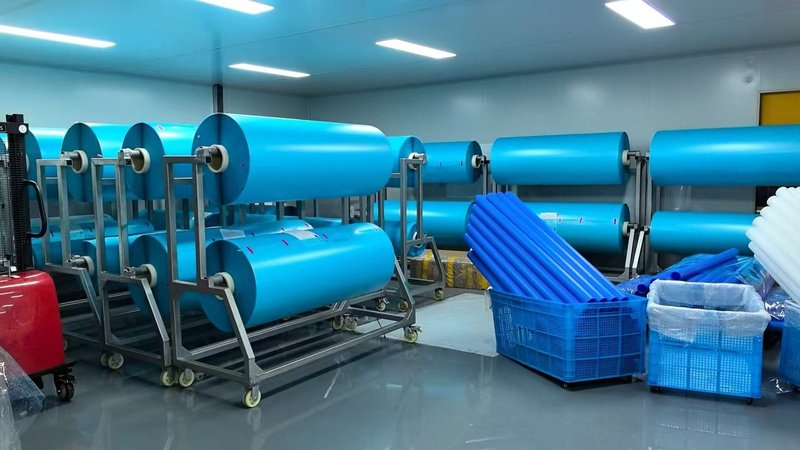
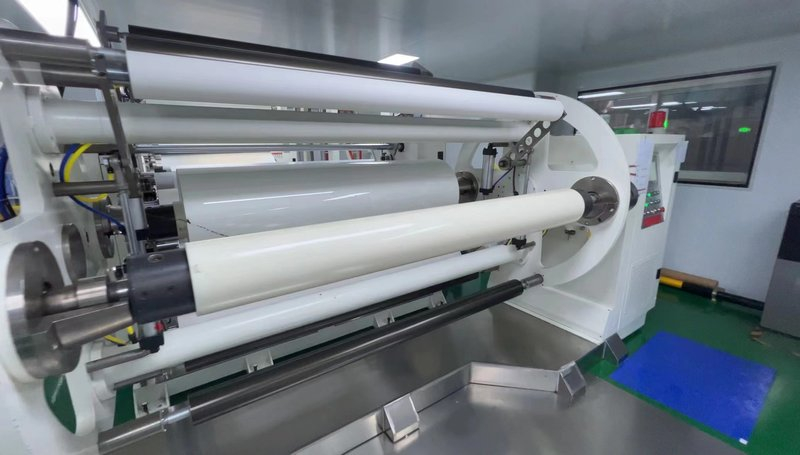
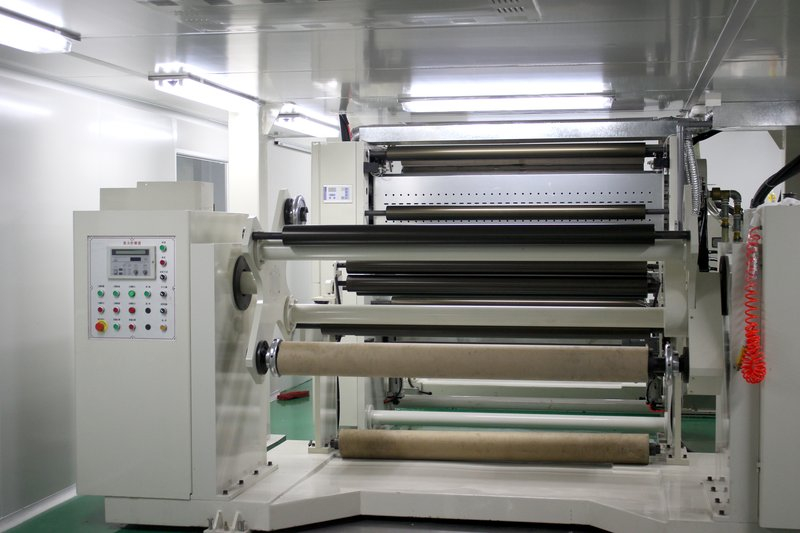
KSB manufactures TPU paint protection film in Guangzhou and ships to installer networks worldwide.
We build four grades, from budget TPU for price-led markets up to ultra-premium low-haze film for premium studios.
Tell us your market and we will point you at the right one. Gulf buyers need aliphatic TPU, strong UV blockers and a heat-resistant adhesive — and many pair PPF with our XO nano ceramic film series or NK nano ceramic film series for full-car heat control.
Southeast Asia needs humidity-stable film and the full range. South America is price-led, so mid-range TPU with a solid top coat fits best — those markets can also cross-sell our IR nano ceramic film series or the fast-installing DD nano carbon film alongside PPF.
Ask for a sample kit with two metres of each grade. Test it on a scrap panel before you commit to a container.
Message KSB Window Film with your market and monthly volume, and we will send the sample kit that fits it.