
A distributor in Krakow asked me this question in March. He stocks one ceramic line for the whole year. It sells out fast in July and sits on the shelf from November to February.
His problem was never the film. His problem was that he was selling one product for two completely different jobs.
Here is the short answer. Yes, you need different films for hot and cold markets. But the reason is not the one most buyers expect.
Climate does not change how dark your customer wants their windows. It changes how fast the film ages, how it behaves during installation, and what you are allowed to sell. Get those three wrong and your warranty claims will teach you the lesson for free.
Climate is not a marketing angle. It is an engineering input. The same roll of film lives two very different lives in Riyadh and in Oslo, and that is why window film for hot climates is specified differently from film for cold markets.
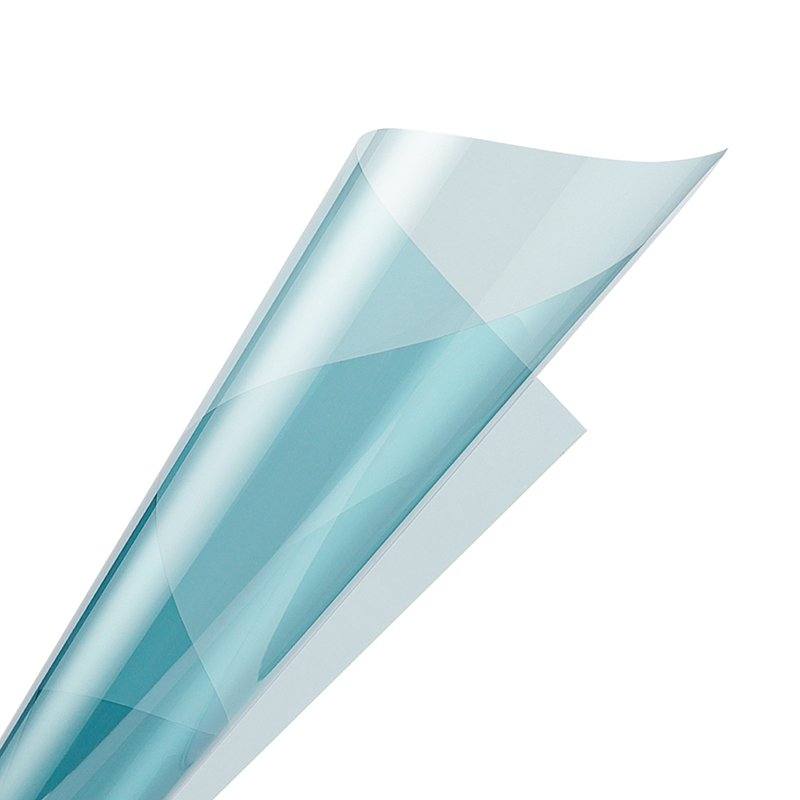
Why Climate Changes What Film You Should Stock
Forget academic climate charts. Split your market by how film actually fails.
A Simple Climate Zone Map for Film Buyers
Zone 1 is hot and dry: Dubai, Riyadh, Phoenix, Cairo. Zone 2 is hot and wet: Jakarta, Bangkok, Lagos, Miami. Zone 3 is cold and dark: Oslo, Toronto, Moscow, Helsinki. Zone 4 is mixed: Warsaw, Istanbul, Seoul, New York.
Each zone breaks film in its own way. That is the only map you need before you place an order.
What Actually Changes Between Climates
Three things change from zone to zone. Your customer’s VLT choice is not one of them.
The first is UV dose. UV index in tropical and subtropical markets reaches 11 to 13. A Nordic summer peaks around 3 to 5. A film in Jakarta collects several times the yearly UV load of the same film in Hamburg.
The second is glass surface temperature. A car parked in direct sun in the UAE can see glass above 85 °C, with cabin air at 60 to 70 °C. In a Canadian winter that same glass sits at minus 20 °C for weeks.
The third is the environment during curing. Humidity above 85% slows the drying that sets your adhesive. Dry desert air pulls the moisture out too fast.
Hot Climate: Maximum IR Rejection Is Non-Negotiable
In a hot market, heat rejection is the product. Everything else is packaging.
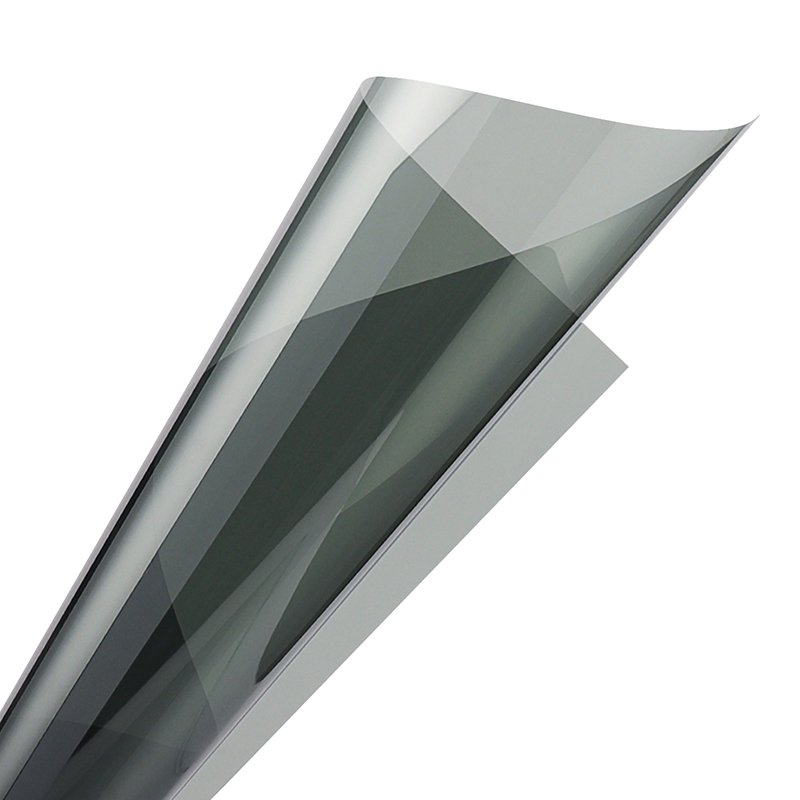
Desert Climate Film Specs
Target a TSER of 65% or higher at the VLT your market allows. Ask for full-spectrum IR data, not a single-wavelength headline. A good ceramic film should clear 80% full-spectrum near-infrared rejection.
Adhesive is where cheap film dies. Look for a pressure-sensitive adhesive rated from -40 °C to 120 °C, with 1000-hour accelerated heat aging data behind it. Ask your supplier for the test report, not the brochure.
Hard coat matters more than most importers expect. Sand and dust scratch the exposed film surface all year round. A 3H pencil hardness rating is the floor, not a selling point.
This is where the nano ceramic film vs sputtered metal question stops being academic. Metalized film rejects heat well, then blocks GPS, DAB radio and keyless entry. Modern cars hate it.
One more number to check before you commit to a container. Ask your supplier what warranty term applies to high-UV markets. A 10-year warranty written for Germany means very little on a car parked in Dubai for five summers.
Tropical Humidity Considerations
Humidity is the cost nobody prices into a quotation.
At 85 to 95% relative humidity, your adhesive takes far longer to cure. Customers call you in week one about haze that would have cleared in three days in a dry market. Train your installers to explain curing, or you will replace film that was never defective.
Mould is the second problem. It grows in the adhesive at film edges, where moisture sits for months. Suppliers who sell into Southeast Asia add antimicrobial agents to the adhesive for exactly this reason. Ask if yours does.
The third is hydrolysis. Sustained humidity breaks down the polymer network over years. A 1000-hour test at 70 °C and 95% humidity should show over 90% tensile strength retention.
UV dose in these markets runs 20 to 40% above European levels. That is why cheap film changes color after a year or two. Colour change is the most common after-sales complaint in tropical markets. Nine times out of ten it is a film-grade problem, not an installer problem.
Cold Climate: Heat Retention and Glare Matter More
Cold markets are the ones importers misunderstand most. The instinct is to push dark film. That instinct is backwards.
Why Dark Film Is the Wrong Answer in the North
A dark absorbing film in a Nordic winter makes the cabin gloomier. It also cuts the passive solar heat that warms the car on a clear cold day. You sold the customer a worse experience.
Law makes the point for you. Norway allows no film at all forward of the B-pillar. Germany bans film on the front glass outright and requires ABG type approval behind the driver. Russia requires 70% or higher light transmission on the windshield and front side windows, with a 500 ruble fine for breaking it.
So what do you sell in Oslo or Moscow? High-VLT ceramic. Look for 70% VLT or higher across the car, with IR rejection of 85% and above.
The customer benefits are real, and they are not about summer. UV rays do not take winter off, so interiors keep fading year round. Low-angle winter sun and snow reflection create glare that film cuts hard.
Auto glass sits near R-1, the worst insulating surface in the car. Ceramic film slows the heat escaping through it, so the heater reaches temperature sooner on a minus 15 °C morning.
Give your installer a one-line script for this. Tell the customer the film blocks UV and cuts glare all year, and it will not make their car dark in December. That single sentence closes cold-market sales.
Cold Weather Installation Changes Your Schedule
Cold changes your calendar, not your film choice.
Curing runs 3 to 7 days in summer and 2 to 4 weeks in winter. The no-roll-down window stretches from 3 to 5 days up to 7 to 14. If you tint in an unheated bay below 4 °C, trapped water can freeze and ruin the job.
Keep bays at 18 to 24 °C and park the car indoors for two to three hours before you start. There is an upside to winter work. The air is drier and carries less dust, and the adhesive gives you 2 to 3 minutes to position film. In summer heat you get 60 to 90 seconds.
Cold markets also have a hidden season. Year-end car sales put new vehicles on the road in December. Tint them in January while your competitors wait for spring.
Mixed Climate: The Balanced Approach
Most of your customers do not live in a desert or the Arctic. They live somewhere with both.
Temperate Zone Product Mix
Warsaw, Istanbul, Seoul and New York all see hot summers and real winters. The answer is not two separate inventories. It is one smart product line.
Target 50 to 65% TSER with VLT between 35% and 50%. That keeps July bearable without making January feel like a cave.
Then run two lines. A mid-VLT ceramic as the volume seller, and a 70% VLT ceramic for windshields and light-preferring customers. Two lines cover almost every car in a mixed market.
Put the high-VLT film on the windshield and the mid-VLT film on the sides. Windshield glass is the largest single heat gain in the cabin, so this split solves the real problem without touching legal limits. For price-sensitive shelves, many distributors also keep carbon film as a value workhorse.
Product Recommendations by Climate Zone
Here is how the KSB range maps onto the four zones. Match the zone first, then match the price point your market will actually pay.
Seasonal Stocking Strategy
Buy in the right month. Northern hemisphere demand peaks from April to September. Chinese factories slow down for Spring Festival, so orders placed in January and February land in March, ready for the season. New to direct sourcing? Our guide to importing window film for higher profits walks through the full order timeline.
Split a container roughly 60% volume ceramic, 25% high-VLT ceramic and 15% premium. A 20ft container holds about 1,000 to 1,300 rolls, so that mix decision is worth real money.
If you sell into a cold market, do not accept a five-month dead season. Sell UV protection and glare control as winter products. That is how a shop keeps its bays busy in February instead of waiting for spring. It is also the difference between building a tinting business that holds its margin and one that lives on five good months.
Here are both views in one place, so you can match stock to zone before you commit to a container.
| Climate zone | Target TSER | Target VLT | Film to push | What to avoid |
|---|---|---|---|---|
| Hot and dry (Dubai, Phoenix, Riyadh) | 65% or higher | 30-50% sides, 70%+ windshield | High-TSER nano ceramic | Dyed film, metalized film |
| Hot and wet (Jakarta, Lagos, Miami) | 60% or higher | 35-50% | Nano ceramic, moisture-resistant adhesive | Dyed film, cheap adhesive |
| Cold and dark (Oslo, Moscow, Toronto) | 50% or higher | 70% or higher, all windows | High-VLT ceramic | Dark absorbing film |
| Mixed (Warsaw, Seoul, Istanbul) | 50-65% | 35-50% plus 70% windshield | Mid-VLT plus high-VLT ceramic | Single-spec stocking |
| Coastal humid (Manila, Miami) | 60% or higher | 35-50% | Ceramic with strong edge bond | Low-cost film with weak edge bond |
| Series | Type | Heat rejection | Best climate zone |
|---|---|---|---|
| XO | Nano ceramic, 5/20/35/70 VLT | Up to 98% | Hot and dry, hot and wet |
| NK | Pure nano ceramic | Up to 95% | Hot and dry, hot and wet |
| SF | Nano ceramic, slight metal content | 92-95% | Hot and dry, mixed |
| IR | Pure ceramic, volume price point | Up to 82% | Hot and wet, mixed, cold |
| DD | Nano carbon, 5-year warranty | Carbon ceramic | Hot and wet, high-volume shops |
| HP | Carbon, colour stable | Entry level | Mixed, cold, price-sensitive |
| PK | Metallized reflective | Reflective heat rejection | Mixed, older vehicles |
FAQ: Choosing Window Film for Your Climate
Do hot and cold climates need different films?
Not for the same car. Window film for hot climates is specified around heat and UV load, while film for cold markets is chosen for glare and legal VLT. You need the right film for your market’s dominant condition. Mixed-climate markets do best with a mid-VLT ceramic plus a high-VLT option.
Does darker film always reject more heat?
No. VLT and heat rejection are separate numbers. A 50% VLT ceramic film rejects far more heat than a 5% VLT dyed film, and it stays legal on front windows.
Is window tint worth selling in a cold climate?
Yes. UV damage runs all year, snow glare is a genuine safety problem, and December car sales create a January tint season. Sell protection, not heat.
Can you install window film in winter?
Yes, indoors. Keep the bay at 18 to 24 °C, warm the car for two to three hours, and tell the customer curing takes 2 to 4 weeks. Never install outdoors below 4 °C.
Which KSB series should I stock for hot markets?
XO for the top end and NK for a softer price point. Both are nano ceramic with high heat rejection and no signal interference. Add IR if your market is driven by price.
What does cheap film really cost in a hot market?
Two costs. Your installer fights the film during curing, and your customer returns in year two with fading or peeling. In a hot market, cheap film fails in 1 to 2 years while quality ceramic runs 10 or more.
Get Climate-Matched Samples Before You Commit
Do not choose a film from a spec sheet alone. Choose it for the climate it will live in — window film for hot climates is a different purchase from film for Oslo or Toronto.
Tell us your market and your average summer and winter temperatures. We will send samples that fit your zone, from the XO nano ceramic series or the NK nano ceramic series. The heat aging and UV test data comes with them.
For hot and wet markets, ask about the IR series for volume pricing and the DD nano carbon line for high-turnover shops. For cold markets, tell us your legal VLT limit first and we will match the film to it.
Send your climate, your monthly volume and your target retail price. You will get a sample pack, a spec sheet and a cost-per-car figure in one reply.