
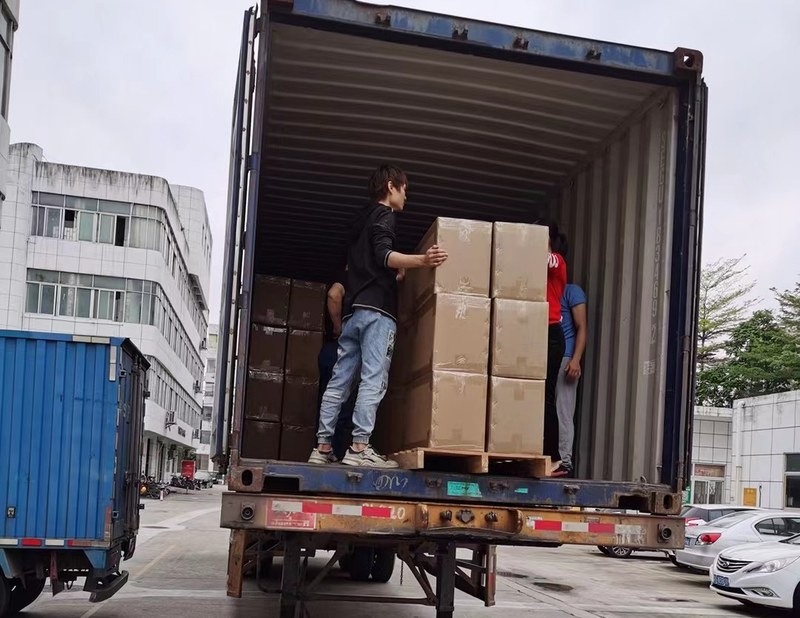
The first container is the easy part. Getting 25 American shops to reorder from it is the business.
I have watched importers land a 20ft box in Houston with good ceramic film, then spend eleven months selling it one roll at a time.
Nothing was wrong with the film. The plan treated 50 states as one market.
Why the US Is the World’s Biggest Window Film Market
Selling window film in the US starts with one number.
Americans paid $1.4 billion to $1.8 billion for installed automotive tint in 2026. At the master roll level, the film itself is a $650 million to $850 million trade.
Three things keep that number up. About 280 million light vehicles on the road. Roughly 16.4 million new ones sold in 2025. An average fleet age past 12 years, so old cars get re-tinted.
The fourth reason is glass. A new vehicle carried about 3.5 square meters of glass in 2010. It carries over 5.5 today, because of panoramic roofs and larger windshields.
More glass, more film, same labour hour. That is the quiet engine behind the whole market.
Consumer Preference: Ceramic Owns the Money
Ceramic and multi-layer film is only 15 to 20 percent of the square meters installed in the US. It is 35 to 40 percent of aftermarket revenue.
The installed price explains the gap. Dyed film sells for $100 to $200 a car. Ceramic sells for $400 to $800.
The average ticket across the market was $350 to $450 in 2026, against $250 to $300 five years ago. The mix moved up. The customer count did not.
So do not build your US line around 5 percent dyed film. That is where the price war lives, and you cannot win it from Guangzhou against a factory running 40 containers a month.
What American Tint Shops Look For in a Supplier
I have sat in on these buying conversations in Houston, Tampa and Phoenix. Nobody opens with price. They open with one question: what happens when it fails?
Film is about 20 percent of a shop’s revenue. A 10 to 15 percent better film price moves gross margin 2 to 3 points, which is $20,000 to $30,000 a year on a $1 million shop.
That is real money, and it is still not the first question. A $450 ceramic job that comes back costs about $193 in film, labour and supplies, plus the review.
One comeback erases the savings on 30 cars. The failure modes behind it are worth knowing before you promise anybody a warranty.
What They Ask For, in the Order They Ask
A written warranty. Not a slogan. A document with a term, what is covered, and a labour allowance. If you cannot print it in their brand, you are not a supplier yet.
A claim process with a deadline. Photos, a form, an answer inside 30 days. Shops judge you on the first bad roll, not the first good one.
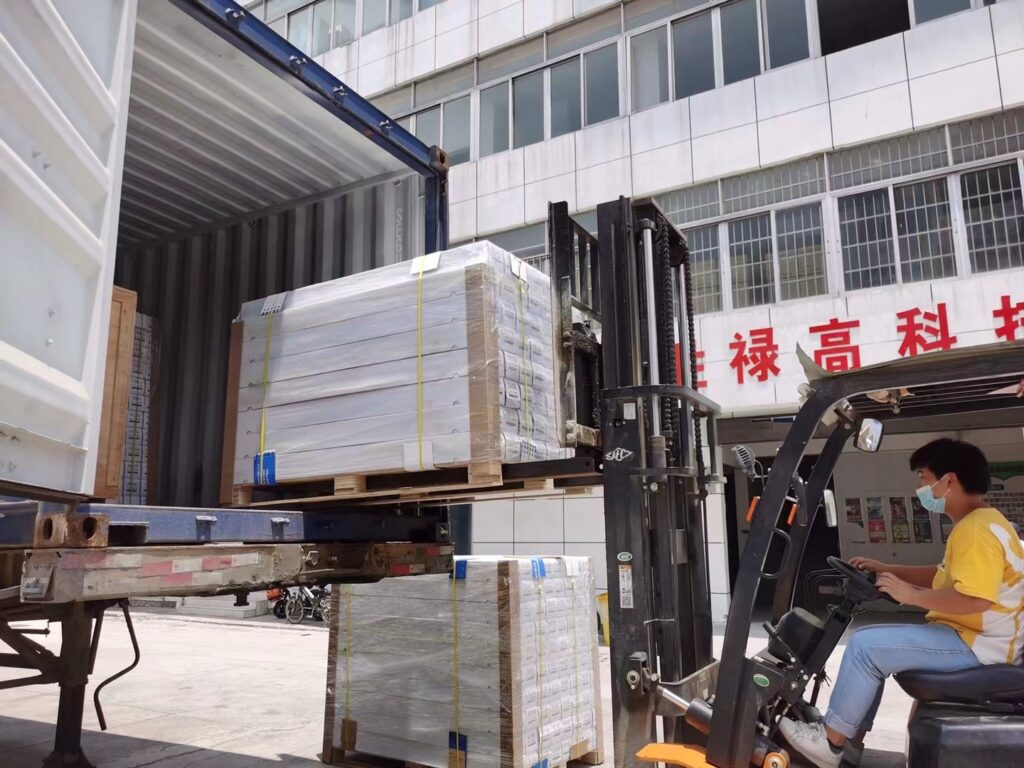
Stock inside the country. A shop orders weekly. Six to ten weeks from China is a planning cycle, not a supply chain. Hold your top three shades in a US warehouse.
Training. 3M runs in-person clinics. XPEL charges $1,500 to $2,500 for its academy and shops pay it. If you want a switch, install one car with their lead tinter.
A margin they can defend. Installer-direct accounts expect 30 to 50 percent on product. Give them that and the talk moves from price to fit.
The States With the Highest Demand, and Why
The US sold 16.4 million new vehicles in 2025. Three states sold 4.9 million of them: California 1.81 million, Texas 1.60 million, Florida 1.49 million.
Shop density follows the same map. In a 2026 trade database of about 17,800 US tint businesses, California holds 2,506, Florida 1,905 and Texas 1,627.
Those three are a third of the country. Nine states are half of it.
The independent channel is the one you can reach. Estimates put 8,000 to 12,000 independent tint shops in the US, and the ten largest networks take only 15 to 20 percent of installation volume.
Why Those Three, and Which One First
| State | New vehicles 2025 | Front side | Tint businesses | The reason to be there |
|---|---|---|---|---|
| California | 1,806,762 | 70% | 2,506 | Most shops, hardest meter. Clear film only |
| Texas | 1,598,583 | 25% | 1,627 | Heat, pickups, no annual inspection |
| Florida | 1,491,315 | 28% | 1,905 | Heat, rentals, 63.6 new regs per 1,000 |
| New York | 898,439 | 70% | – | Volume, but front doors are clear only |
| Oklahoma | 610,554 | 25% | – | Fleet registrations, 148 per 1,000 |
| Pennsylvania | 590,743 | 70% | – | No windshield film at all |
| Michigan | 585,383 | No front film | – | Removal work and rear glass |
| Illinois | 578,640 | 50% or 35% | – | Conditional rule, 5% tolerance |
| Georgia | 528,080 | 28% | – | Cut from 32% in July 2026 |
| Arizona | 397,830 | 33% | – | 51.7 new regs per 1,000, desert heat |
Florida has heat, no safety inspection, a rental fleet and a retirement population. It registered 63.6 new vehicles per 1,000 residents in 2025, fourth in the country.
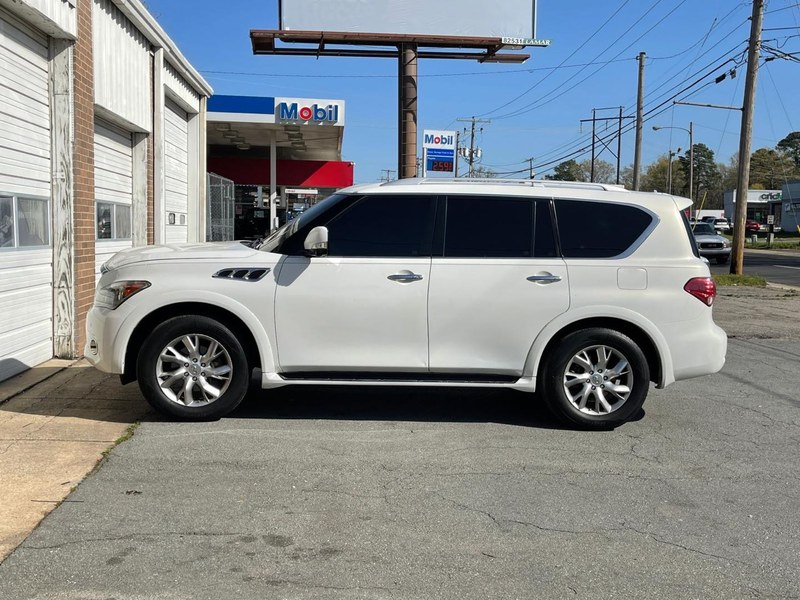
Texas has heat plus trucks. The Ford F-Series is the best-selling vehicle in 29 states, and a crew cab carries about 5.5 square meters of glass.
California has volume and the hardest law. Front side is 70 percent, and the film itself must be 88 percent or clearer. That is a compliance product, not a shade product.
Start in Texas or Florida, not California. One climate, one inspection regime, cheaper warehouse, and a 25 to 28 percent front side limit that lets you sell a real product.
California is year two, with a clear line built for it. Arizona, Georgia, North Carolina and Nevada are worth a look after that.
Distribution Channels: Shops, Dealerships, Online
There are four ways into selling window film in the US, and each one needs something different from you before it will talk.
| Channel | Share of US value | Who you talk to | What they need first | Payment reality |
|---|---|---|---|---|
| Independent shops | 70 – 75% | Owner or lead tinter | US stock and a claim form | Net-30 after 3 orders |
| Dealer-fit programs | 10 – 15% | F&I or parts manager | Insurance cert, per-unit price | Net-30 to net-60 |
| Fleet and commercial | 8 – 12% | Fleet manager | A cost per vehicle sheet | Net-30, one PO per unit |
| Online and DIY | Under 5% | The end customer | Listing, reviews, returns | Paid upfront, high returns |
Independent shops are 70 to 75 percent of market value. One shop burns about a roll a week. They buy on service and pay in 30 days once you have earned it.
Dealer-fit programs are 10 to 15 percent. They buy on terms and paperwork, not on shade charts. Slower to enter, harder to lose once you are in.
Online is smaller than it looks. The top 50 ceramic tint listings on Amazon US moved about 265,000 units and $3.9 million in the year to July 2026, at $33 average. That is DIY film, not your channel.
Fleet is the fourth and the fastest growing, at 7 to 9 percent a year. One fleet contract is 200 cars and a purchase order, not 200 phone calls.
Five Mistakes Newcomers Make in the US Market
I have seen all five, and most of them happen in the first ninety days. Most people selling window film in the US make at least three of them.
1. Buying a Container Before 20 Accounts
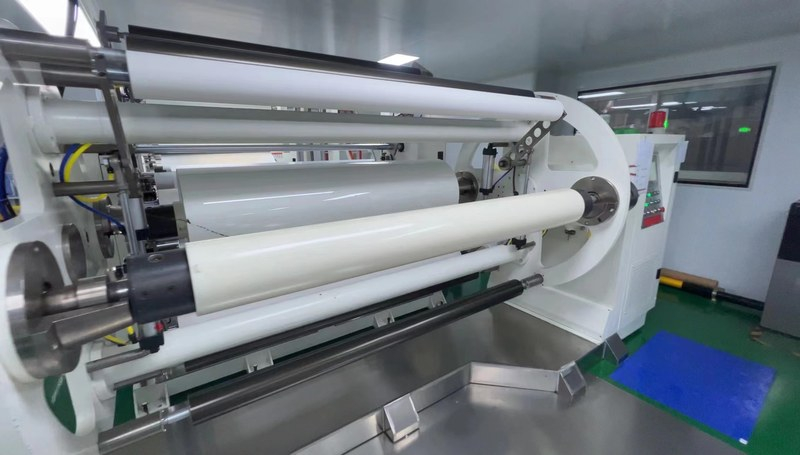
A 1.52m by 30m roll covers 10 to 12 cars. A working shop uses about one a week. A 20ft container holds roughly 1,000 rolls, which is 25 shops for a year.
With three accounts you have bought two years of stock and a storage bill. Start with a pallet, prove the reorder rate, then book the box.
2. Fighting a 43.3 Percent Duty on Price
Chinese film enters the US at 43.3 percent: 5.8 percent base, 25 percent under Section 301, and 12.5 percent on the forced-labour action. That is before freight and broker fees.
A $110 ceramic roll lands near $170. Sell it at $210 and you keep $40. A US brand buys at scale, sells through a distributor carrying a 40 to 60 percent brand markup, and still undercuts you at the counter.
So stop selling the roll and start selling the margin the shop keeps.
| Roll, 1.52m x 30m | Ex-works | Duty 43.3% | Freight and fees | Landed | Sell to shop | Gross |
|---|---|---|---|---|---|---|
| DD carbon | $75 | $32 | $9 | $116 | $140 | $24 |
| IR ceramic | $110 | $48 | $12 | $170 | $210 | $40 |
| SF ceramic | $185 | $80 | $18 | $283 | $350 | $67 |
| XO ceramic | $240 | $104 | $22 | $366 | $440 | $74 |
Read the last two columns. Duty is a percentage, so it never gets cheaper. But gross dollars per roll run from $24 to $74, while the shop’s film cost stays at 4 to 7 percent of a $350 to $600 ticket.
That is the argument for a premium line, not a cheap one.
3. Shipping One Shade to All 50 States
Front side limits run from 20 percent in New Mexico to 70 percent in New York. One shade cannot serve both.
A 35 percent film that is legal in Texas reads 26 percent on a New York door, and the driver gets the ticket. That is a return and a one-star review.
4. No Claims Process
The first bad roll is a test, and it arrives in month two, not year two.
If the answer is a WhatsApp message and a promise, the shop tells forty other shops before you have replied.
5. Picking a Distributor Who Sells Three Other Brands
Most film brands refuse geographic exclusivity to a single shop. 3M will not place another Pro Shop within 1.5 miles of one.
If you want push, offer a county-level exclusive to one distributor per market, and hold them to a volume number in writing.
Frequently Asked Questions
Do I need a US company to sell film there?
Not to ship. You need one to invoice in dollars, hold stock and get credit from a broker. Most importers open an LLC in the state where the warehouse sits.
How much does it cost to start?
Budget $60,000 to $150,000 for year one of selling window film in the US: $25,000 to $40,000 of film, a small warehouse at $1,200 to $2,500 a month, insurance, samples and one trip.
Which film should I import first?
Two ceramic shades at 35 and 20 percent, one carbon for volume, and a clear 70 for the strict states. Five SKUs, not fifty.
Can I sell private label in the US?
Yes, and it is the only way to stop being compared on price. Print your own box, put your own warranty terms on it, and register the brand before the first shipment.
Can I avoid the 43.3 percent duty?
Not by changing the invoice. CBP can penalise up to four times the unpaid duty. Change the mix instead: a $240 roll pays $104 of duty but returns $74 of gross, against $24 on a $75 roll.
How long until a shop reorders?
Four to six weeks if the film installs clean. If the first roll leaves fingers or shrinks at the edge, never.
Do I need FMVSS paperwork?
Film is glazing material under FMVSS 205, at 49 CFR 571.205. Buyers ask for VLT and haze test data. Have the report before the first order, not after.
Send Me Your Three States
Do not plan a national launch. Pick three states, twenty shops and one product line, then earn the reorder.
Send me the states you are targeting and how many shops you can visit in a week. I will map the shades to their front side limits and price your first pallet landed.
For the strict states, XO covers the ceramic top end, including a 70 shade that clears the meter on heat rejection rather than darkness. NK matches factory SUV glass colour, which is the first thing a US tinter notices. DD is the carbon line for volume shops and fleet work.
For a premium look there is SF, with a slight metal content. For the volume ceramic most shops put behind their mid tier, there is IR.
If you are still building the case, this import plan for tint shops walks the same steps with the numbers filled in.