
A shop owner in Phoenix sent me a photo in March. A Tesla Model Y windshield, chipped the size of a coin, right in the driver’s line of sight.
The glass quoted at $980. Camera recalibration added $260. He paid $1,240 for a part he could have protected for $650.
That repair is the whole business case for windshield protection film. It is a clear sacrificial layer standing in front of an expensive, sensor-loaded part.
Short answer: yes, in specific segments. New EVs, luxury cars, lease vehicles and highway commuters. On a cheap 12-year-old hatchback, the math does not work yet.
What Windshield Protection Film Actually Protects Against
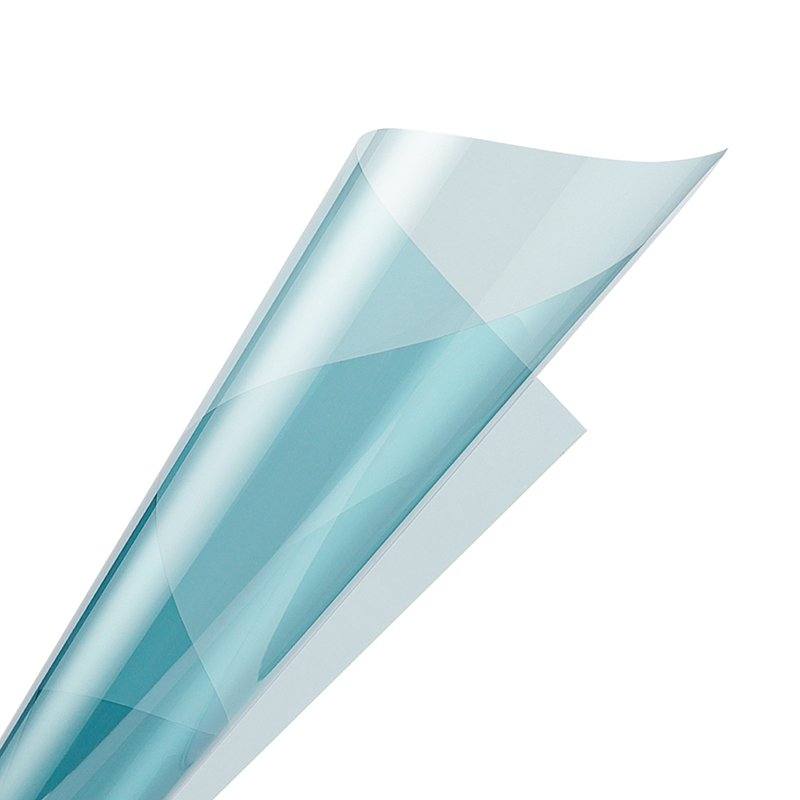
Windshield protection film is a clear thermoplastic urethane sheet applied to the outside of the glass. It takes the impact instead of the glass.
Think of it as a screen protector for your car, except the impact is a rock at 70 mph.
Rock Chip and Debris Protection
About 30% of drivers pick up chip damage every year, based on ClearPlex and Madico claims data. Most of it happens on the highway.
A chip repair runs $60 to $150. A replacement runs $250 to $800 on a car without driver-assist cameras.
Add cameras and recalibration and that becomes $1,000 to $1,500. Tesla Model 3 and Model Y glass alone is $800 to $1,500 installed.
Quality film absorbs more than 90% of minor rock impacts. It is not bulletproof. A large rock will still crack the glass.
So sell it as risk reduction, not a guarantee. One saved windshield pays for four or five installs.
7-7.5mil Thickness Explained
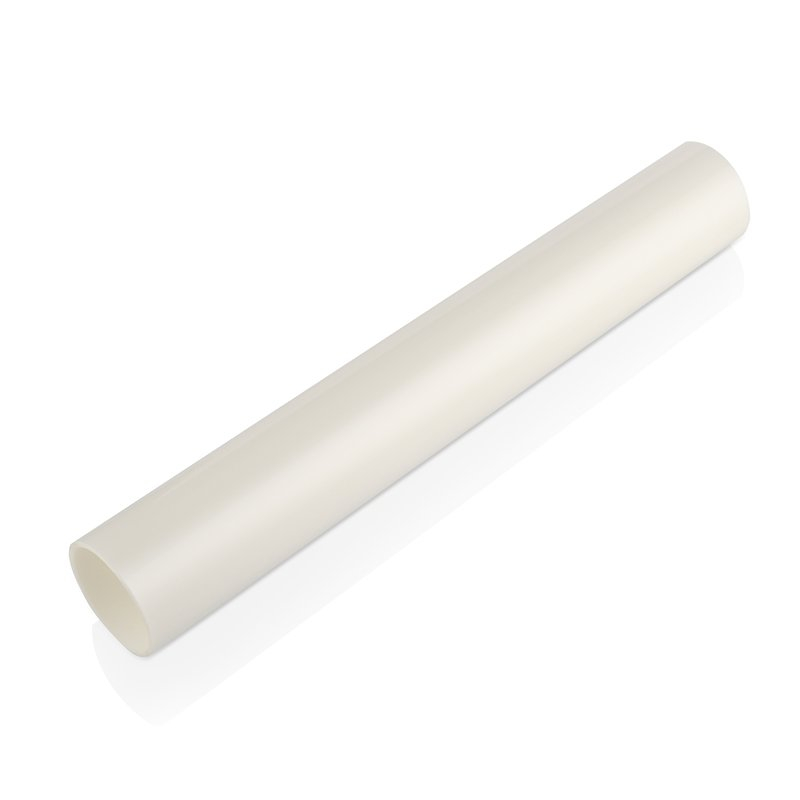
Windshield film is thicker than body PPF on purpose. Body film runs 6 to 8 mil. Windshield film runs 7 to 7.5 mil, and premium impact grades go 10 to 14 mil.
7.5 mil is about 190 microns. That sounds thin, but the TPU core stretches more than 260% before it breaks, spreading the energy of a strike instead of passing it into the glass.
Too thin and there is no cushioning. Too thick and you get distortion plus extra wiper drag. So 7.5 mil is where impact absorption and clarity balance out.
How It’s Different from Regular Window Tint
These two products get mixed up constantly. They do not do the same job, or even sit on the same side of the glass.
Tint goes on the inside and manages heat and glare. Windshield protection film goes on the outside and manages impact.
I compared windshield protection film and body PPF in a separate post.
Optical Clarity Requirements
You look through a windshield every second you drive. The optical bar here sits far higher than for side windows.
US federal rule FMVSS 205 sets the floor. Glass in the driver’s forward view must transmit at least 70% of visible light. UNECE R43 uses the same line in Europe.
Clear windshield film runs 85% to 95% VLT, so it does not darken the glass. If a supplier offers a dark windshield film, walk away.
The trap is combined VLT. Factory windshield glass already sits at 70% to 82%, so multiply film VLT by glass VLT. A 90% film on 78% glass lands near 70%.
A 70% film on that same glass lands at 55%, which fails inspection.
Haze matters as much as VLT. It is the scattered light that makes a windshield look milky at night. Ask for ASTM D1003 data under 0.4%.
There is a five-minute field test. Hold the sample against a window and look at a distant straight line, like a power cable. Any bend or waver means distortion.
ADAS Compatibility
About 68% of cars on the road now carry a forward-facing camera or radar unit on or near the windshield.
For vehicles built in 2023 or later, 94% have at least one driver-assist feature. About 9 in 10 need recalibration after a glass swap.
Good film does not interfere with those systems. It is non-metallic and radio-transparent, so toll transponders and GPS keep working. The same logic separates nano ceramic film vs sputtered metal on the side windows: metallic layers upset signals, ceramic layers do not.
Your installer still cuts a clearance window around the camera housing and rain sensor. That is standard practice, not a workaround.
One real limit: cheap hazy film can show up against a head-up display. Confirm HUD compatibility before you quote that car.
Why Luxury Car Owners Are Driving This Trend
Demand is coming from the top of the market, and the reason is simple math.
A Honda Civic windshield is a $250 to $400 part. Protecting it for $500 is a hard sell.
A Porsche 911 or Tesla Model S windshield is $800 to $1,500 before labor and calibration. Suddenly a $650 to $900 film looks cheap.
New EV owners are the loudest group. A Tesla delivery arrives with pristine glass, and resale-minded owners book film on day one.
Lease customers come next. A lease return with a chipped windshield gets billed at full dealer glass price.
Then there are cars with expensive glass tech. Heads-up display, heated wiper park, acoustic laminated glass, integrated camera housing.
The last group is highway commuters. A driver doing 25,000 miles a year behind trucks is not asking if they will get a chip. They are asking when.
That is why shops in Dallas, Phoenix and Miami bundle windshield film with paint protection film on the same ticket. The average ticket climbs fast.
The Installation Process (Hint: It Goes on the Outside)
This is the part that surprises new installers. The film goes on the outside of the glass, not the inside.
That one fact changes the whole workflow. Does window film go on the inside or the outside is the question I get most from new shops.
Wiper arms come off first, along with anything on the cowl. You do not want a blade dragging across wet film.
The glass gets clay bar and an alcohol wipe. Any wax or road film left behind becomes a bubble later.
The film is cut oversized and pre-fit dry, so you can see where the curve fights back.
Then it goes on wet with a slip solution. You squeegee from the center outward in overlapping strokes.
Curved windshields need heat. A heat gun softens the TPU so it follows the compound curve without stretch marks or whitening.
An experienced installer finishes a standard windshield in 1.5 to 2 hours. A heavily curved or oversized windshield takes 3 to 4 hours.
The workshop matters as much as the hands. One speck of dust in the driver’s line of sight means the whole piece comes off.
How Long It Lasts and What Maintenance It Needs
This is a wear item, not a permanent coating. Expect 2 to 4 years of service, and 4 to 6 years on a garage-kept car.
Most premium films carry a 5-year warranty against yellowing, delamination and bubbling. Wiper wear and rock damage are not covered.
A monthly wax coat keeps the scratch-resistant top coat working. Skip it and the wiper track goes dull inside a year.
Tell customers to keep ice scrapers and pressure washers off the windshield. Removal is clean: gentle heat, a slow peel, no residue.
Frame it like brake pads. The film wears out doing its job. That is the point.
Profit Potential: How Much Can You Make Per Install?
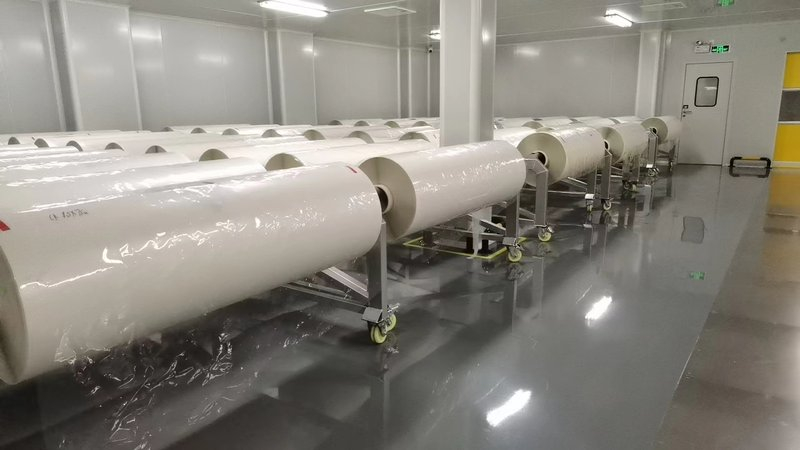
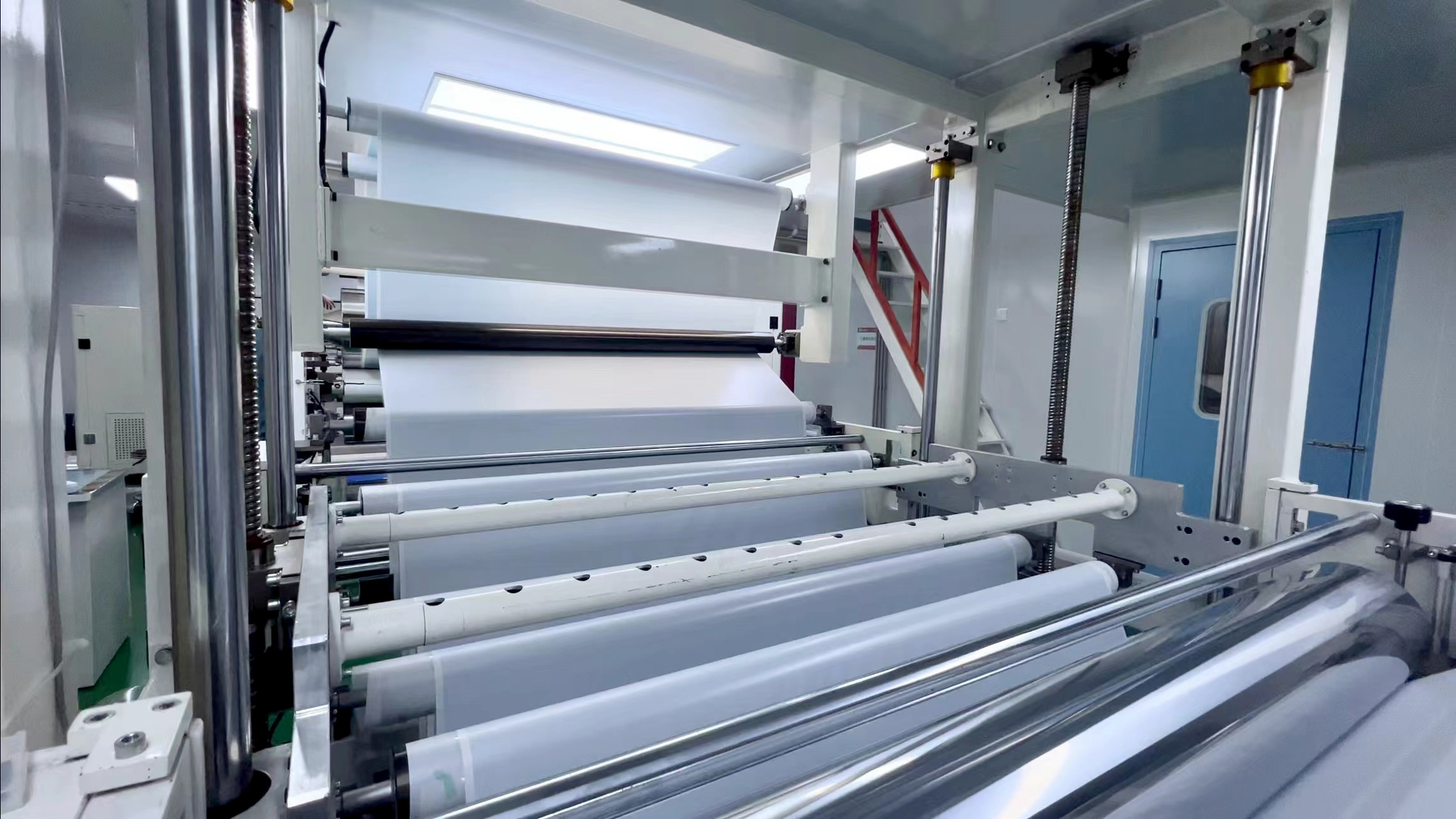
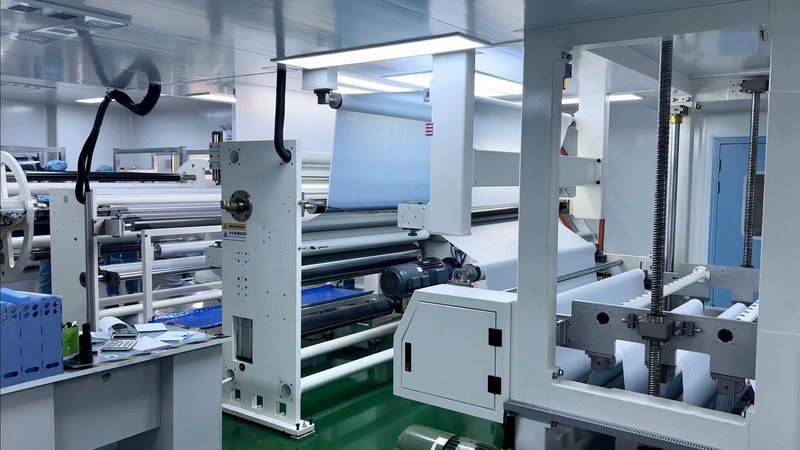
A standard 1.52m x 15m roll of 7.5 mil TPU windshield film lands at $300 to $560 ex-works from a Chinese factory.
Premium hydrophobic grades run $600 to $860 per roll. That roll covers roughly 10 to 13 windshields, so film cost per car is $25 to $70.
Add $10 to $20 for slip solution and consumables. Material cost per install lands at $35 to $90.
US retail pricing in 2026 sits between $450 and $1,500 depending on the vehicle. Take a Tesla Model 3 at $650 retail.
That is $68 of film, $15 of consumables and 2.5 hours of bay time. You keep roughly $440 of contribution before fixed overhead.
Call it a 68% gross margin.
Twelve installs a month at a $650 average is $7,800 in revenue and about $5,000 in contribution.
That is a full extra service line on the same square footage, and one more step in building a tinting business that holds its margin.
Pricing by Vehicle Type
Here is the 2026 retail range by vehicle class. Adjust it for your labor market.
| Vehicle class | Standard grade install | Premium impact grade | What drives the price |
|---|---|---|---|
| Compact / sedan (Civic, Corolla, Model 3) | $450 – $650 | $600 – $850 | Fastest install at 1.5 to 2 hours |
| Mid-size SUV / truck (RAV4, F-150) | $550 – $750 | $700 – $1,000 | Larger glass area, more trimming |
| Large SUV / minivan (Tahoe, Sienna) | $600 – $800 | $800 – $1,100 | Extra cowl and trim work |
| Luxury sedan (BMW 5, Mercedes E) | $700 – $950 | $900 – $1,500 | HUD and sensor cutouts |
| EV (Tesla Model 3, Model Y) | $650 – $900 | $800 – $1,200 | Big curved glass, high replacement cost |
| Exotic (Porsche, Ferrari, Lamborghini) | $900 – $1,100+ | $1,200 – $1,500+ | 3 to 4 hours, two-piece installs |
Two things move the price more than vehicle size. Glass curvature and sensor count.
A flat windshield on an old Jeep is a 90-minute job. A raked, camera-loaded windshield is a four-hour job with two installers.
The second lever is the bundle. Shops that pair windshield film with body PPF and window tint report ticket sizes two to three times higher.
The next table is the one that closes the sale.
| Vehicle class | Film install | Chip repair | Replacement (no ADAS) | Replacement + calibration |
|---|---|---|---|---|
| Compact sedan | $450 – $650 | $60 – $100 | $250 – $400 | $450 – $700 |
| Mid-size SUV | $550 – $750 | $75 – $125 | $300 – $500 | $550 – $900 |
| Full-size truck | $600 – $800 | $75 – $150 | $350 – $600 | $600 – $1,000 |
| Luxury sedan | $700 – $950 | $100 – $150 | $500 – $800 | $800 – $1,500+ |
| EV (Tesla Model 3 / Y) | $650 – $900 | $100 – $150 | $600 – $900 | $800 – $1,500+ |
On every row except the compact sedan, one avoided replacement pays for the film. On the luxury and EV rows it pays for the film twice.
FAQ: Windshield Protection Film
Does windshield protection film interfere with ADAS cameras or rain sensors?
No, when installed correctly. The film is non-metallic and radio-transparent, so cameras, radar and toll transponders keep working. The installer cuts a clearance window around the camera housing.
Can I put windshield protection film on top of window tint?
They sit on opposite sides of the glass, so yes. Tint goes inside for heat and UV. The protection film goes outside for impact.
Will the wipers scratch the film?
Some wiper wear is normal and expected. A quality hard coat plus a monthly wax coat slows it down a lot.
How much does windshield protection film cost to install?
In the 2026 US market, $450 to $750 on a compact or sedan, $550 to $900 on an SUV or truck, and $800 to $1,500+ on luxury cars.
Is it legal to put film on a windshield?
Clear film that keeps combined VLT at 70% or above is generally allowed in the US and under UNECE R43. A dark windshield film is not.
How do I know the film is optically clear enough?
Ask for ASTM D1003 haze data and look for a result under 0.4%. Then do the straight-line test on a sample.
Get Windshield Film Samples Before You Commit
Windshield film is one of the few add-on services where the sample decides the sale. You cannot judge optical quality from a spec sheet.
Install one on a staff car and live with it for two weeks. Check the wiper track and the night glare.
A roll covers 10 to 13 windshields, so your first order does not need to be a container.
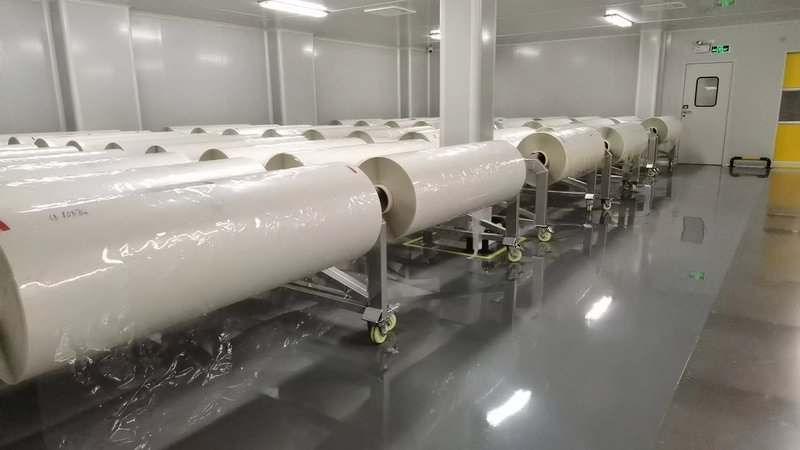
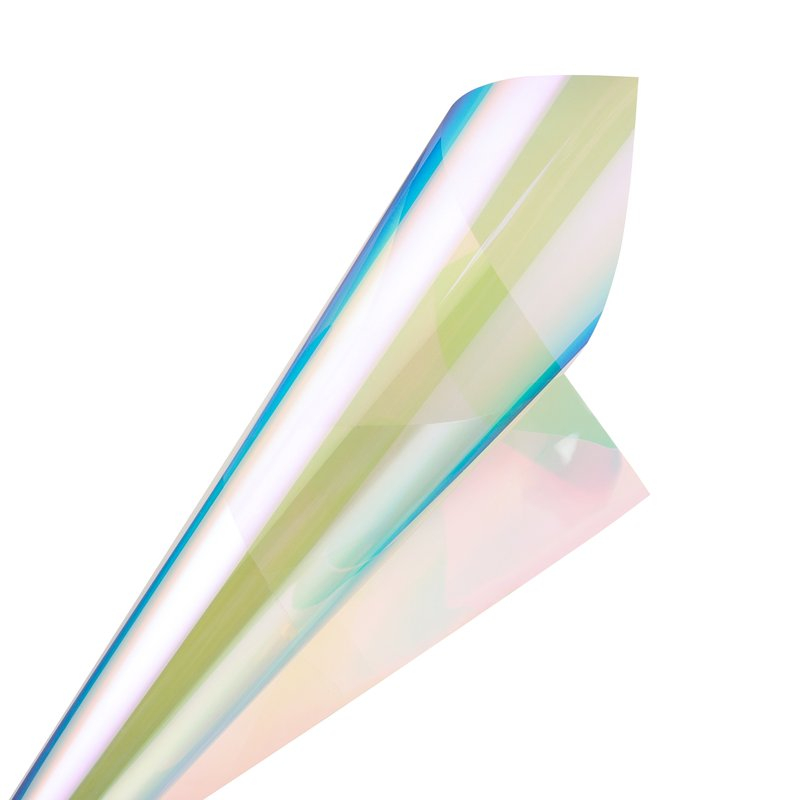
KSB supplies 7.5 mil TPU windshield protection film in clear and colored grades. The same catalogue covers body PPF, colored windshield films, and the XO, NK, IR and DD lines.
We send samples with optical test data and answer within one business day.