
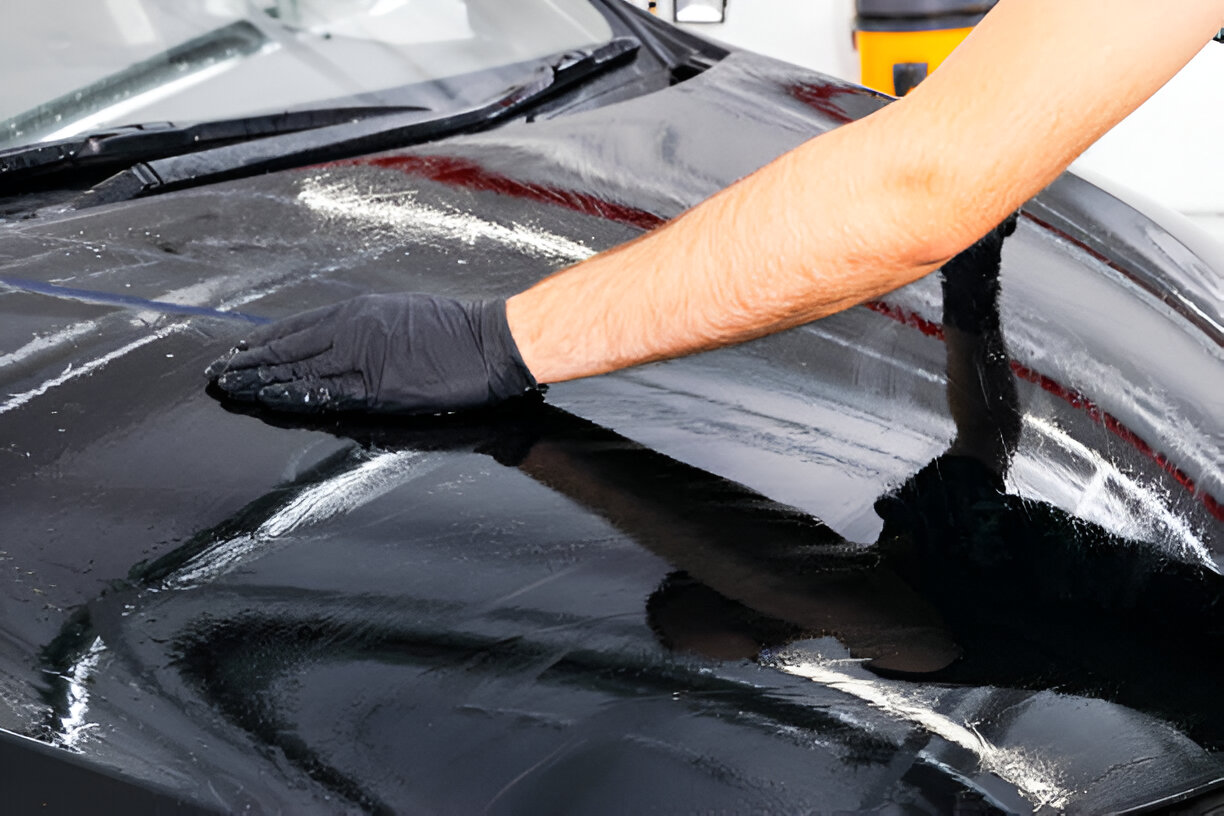
If you’ve ever watched a professional window tinter at work, you might have noticed them smoothing out sheets of film on the exterior of a vehicle. It’s a sight that leaves many car owners asking a fundamental question: does window tinting go on the inside or the outside of a car window?
While the installation process can look a bit confusing from a distance, there is a very specific, structural reason why window film is placed exactly where it is. Let’s clear up the confusion and look at how window tint is actually applied and why it matters for the longevity of your vehicle’s glass.
Understanding About Window Tinting
When most people think about window tint, they just picture a sleek, blacked-out look that gives them a bit of privacy. But honestly, it’s a lot more practical than that. A good tint job acts like a shield for your car, blocking those harsh UV rays that bake your interior and fade your dashboard over time.
It keeps the cabin significantly cooler on hot days, meaning you don’t have to blast the AC the second you get in. It’s really one of those upgrades where the comfort benefits completely outweigh the style points.
What Are The Real Benefits of Window Tinting?
Keeps things cool:
Nobody likes stepping into a car or room that feels like an absolute oven. Tinting does a massive job of blocking that heavy solar heat before it even passes through the glass. The result? You get a much more comfortable space, and you don’t have to run your AC on full blast just to survive, which keeps fuel and energy costs down.
Blocks nasty UV rays:
The sun can do a serious number on both your skin and your property. A solid tint blocks virtually all harmful UV rays. That means you’re protecting yourself from sun damage during long drives, while also saving your car’s leather seats or your expensive home furniture from fading and cracking over time.
Cuts down on annoying glare:
Driving into a blinding sunrise or dealing with high-beam headlights bouncing off your mirrors at night is incredibly exhausting. Tinting takes the harsh edge off that light, making it way easier on your eyes and making your time behind the wheel a whole lot safer.
What Are The Main Types of Window Film?
When you’re looking at window film, it really just comes down to how much you want to spend and what you’re trying to achieve. Instead of getting bogged down in the technical jargon, here’s the honest truth on how they stack up.
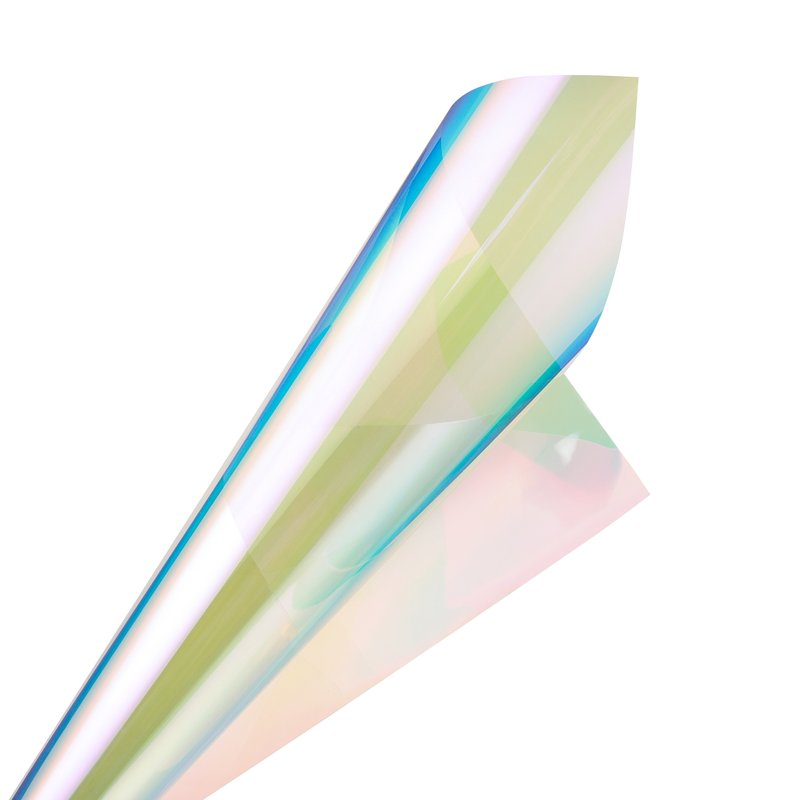
If you just want a darker look without spending a fortune, dyed film gets the job done. It cuts down on glare and won’t mess with your phone signal, but it’s not going to block much heat, and it’ll likely fade or turn that ugly purple color after a couple of summers.
If you want something tougher, metallic film is great at bouncing heat away from the glass, but the metal particles inside can be a real pain for your phone service or GPS. That’s why a lot of busy tint shops recommend HP Carbon film instead. It’s the perfect sweet spot you get awesome heat rejection and crystal-clear views without blocking your signals or breaking the bank.
But if you want the absolute best of the best, ceramic film is the top tier. It uses nano-ceramic tech to block almost all the heat and UV rays, it never fades, and your electronics will work perfectly. It costs more upfront, but it’s easily the best long-term investment for your comfort.
Where Does Window Tinting Go?
If you’ve ever watched a pro tint a car, you probably saw them cutting and shaping the film on the outside of the window. Because of that, a lot of people think that’s where it stays. But the truth is, window tint is always permanently installed on the inside of the glass.
Sticking to the interior is the industry standard for a few simple reasons:
Putting the film on the inside is honestly the only way to make it last. If you stuck it on the outside, the weather, road debris, and even your windshield wipers would scratch it up and peel it off in no time. By installing it on the interior, you’re shielding it from all those harsh elements. It ensures premium options, like nano-ceramic films, can actually do their job blocking heat and UV rays for years without degrading or fading.
Plus, it keeps the film completely safe from everyday external hazards like keys, accidental scrapes, or automatic car washes, so your tint stays looking completely flawless.
Why Interior Window Tinting is Almost Always the Better Move?
When deciding between tinting the inside or the outside of your windows, interior application wins by a landslide. While exterior tints exist for very specific niche uses, sticking to the inside is the standard for a few practical reasons.
It Actually Lasts
Applying tint to the inside of the glass shields it from the elements. It’s safe from heavy rain, harsh winds, road debris, and automatic car washes. Because it isn’t constantly taking a beating from the environment, it’s not going to peel or degrade anywhere near as fast.
Serious Weather Protection
Tint is designed to block the sun, but exterior tint has to survive the sun. Putting the film on the inside protects the tint itself from direct, brutal weathering and UV exposure. This is especially important if you’re investing in high-end options like Nano Ceramic films interior application ensures you get the full benefit of their heat rejection and crystal-clear clarity for years to come.
It Stays Looking Clean
Exterior tint is highly vulnerable to accidental scratches, bird droppings, tree sap, and everyday wear and tear. By installing it on the inside, you guarantee a smooth, flawless finish that stays looking sharp and professional without the constant worry of cosmetic damage.
Note on Total Protection: If you are looking to protect your vehicle’s exterior surfaces from scratches and rock chips the way interior tint protects your glass, consider pairing your window film with a Paint Protection Film (PPF) for the body of the car.
How Car Window Tint is Actually Applied?
If you’ve ever wondered whether tint goes on the inside or outside, it almost always goes on the inside. This keeps it safe from the elements and prevents peeling. If you are brave enough to try a DIY installation, here is how the step-by-step process actually looks.
Prep Your Tools: Grab your window film, a tint application solution (soap and water mix), a sharp utility knife, a good squeegee, a heat gun, and microfiber towels.
Clean Like Crazy: Any speck of dust will cause an ugly bubble. Scrub the inside of the glass thoroughly and scrape away any hidden grit.
Rough Cut the Film: Roll the film out (usually on the outside of the window first just to measure) and cut a piece slightly larger than the glass.
Wet the Film: Peel off the clear backing liner. As you peel, spray the sticky side generously with your soap-and-water mix. This keeps the film from aggressively grabbing onto itself or the glass before you’re ready.
Stick it to the Glass: Carefully move the wet film over to the inside of the window. The soapy spray lets you slide it around easily just get it perfectly lined up, making sure to leave a tiny sliver of a gap at the very top edge so the rubber weatherstripping doesn’t catch and peel it down when you roll the window up.
Push the Water Out: Spray the back of the film so your tool glides easily. Starting right in the middle, use firm, overlapping squeegee strokes to force all the trapped water and air pockets out to the edges.
Trim the Excess: Grab a super sharp blade and carefully shave off the extra film along the window seals. You want a tight, clean edge that looks like factory-stained glass.
Heat-Mold the Curves: Rear windshields and curved side glass will cause the film to “finger” or bunch up at the edges. Use a heat gun to gently shrink those spots from the outside, then squeeze them flat from the inside until the film molds perfectly to the glass.
Quick Sidebar: Tint takes care of the inside, but if you want that same kind of bulletproof armor for your car’s exterior paint, look into Paint Protection Film (PPF). It’s a game-changer for stopping rock chips on your bumper and hood.
The Legal Side of Window Tinting
Before you buy any film, you need to know your local laws. Police pull people over for illegal tint all the time, and getting a ticket or being forced to scrape off a brand-new tint job on the side of the road is a massive headache.
The Rules You Need to Know
VLT: This is how much light gets through the film. A lower percentage means darker tint (e.g., 5% is limo tint, while 50% is quite light). Most places have strict limits on how dark your front side windows can be compared to the back.
Reflectivity: Some states ban reflective or mirrored tints entirely because the glare can blind other drivers.
The Windshield: You almost never can tint a whole windshield. Most laws only allow a thin strip across the very top (usually down to the manufacturer’s AS-1 line).
Why Staying Legal Matters?
Getting caught with illegal tint is a quick way to land a costly ticket. Even worse, cops can make you scrape it off right there on the side of the road. Keeping your tint within legal limits isn’t just about avoiding fines; it also ensures you can actually see out of your windows at night.
Picking the Right Film
If you want privacy and heat relief without breaking the law, Nano Ceramic Film is the way to go. Because it uses advanced technology rather than just dark dye, it blocks massive amounts of heat and UV rays even in lighter, completely legal shades.
DIY vs. Professional Install
If you’re determined to tint the car yourself, don’t try to get by with household tools. You absolutely need professional-grade squeegees and ultra-sharp snap-off blades if you want any chance of a bubble-free finish.
That said, if you’ve never shrunk film with a heat gun before, it’s incredibly easy to crease or melt. Taking your car to a pro shop means you get access to top-tier commercial films, guaranteed legal compliance, and a flawless install without the weekend headache.
Final Lines
When it comes down to it, the choice between interior and exterior window tinting isn’t much of a contest for everyday drivers. Interior tinting wins on almost every front: it lasts year’s longer, stays safe from the elements, and won’t get ruined by road debris or car washes.
While exterior tint has its place for very specific commercial uses or unique vehicle builds, sticking to the inside is the industry standard for a reason. It gives you the best mix of style, privacy, and heat rejection without the constant worry of scratches and peeling.
If you’re still on the fence or worried about staying within your state’s legal darkness limits, your best bet is to chat with a local pro shop. They can help you pick the right film for your budget and handle the tricky installation, leaving you with a clean, bubble-free look that actually lasts.