
Last year, a customer in Texas called me. He’d just opened his first container of window film from a new supplier. The price was great. The sample looked perfect. He was ready to make money.
Two weeks later, he called again. Different tone.
The film that arrived wasn’t the film he’d tested. The spec sheet said nano-ceramic. What he got was dyed film with a ceramic-sounding name. Some rolls were 28 meters instead of 30. Others had color shifts between batches. He lost over $15,000 on that one container.
He’s not alone. In the decade-plus we’ve been manufacturing window film in Guangdong and shipping to over 100 countries, I’ve seen the same mistakes play out again and again. The supplier names change. The countries change. The mistakes stay exactly the same.
Here are the 6 mistakes we see most often — with real stories and specific steps to avoid each one.
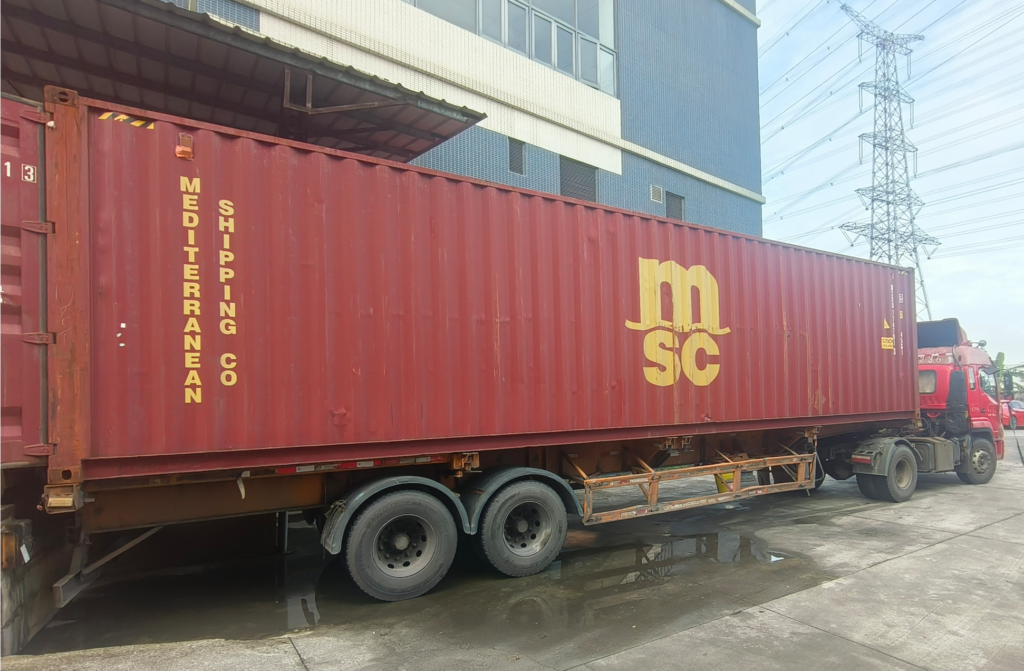
Mistake #1: Buying on Price Without Verifying Quality
The market is flooded right now. There are factories, there are trading companies pretending to be factories, and there are brokers who’ve never seen a coating line. Everyone’s competing on price. And when everyone competes on price, someone’s cutting corners.
Here’s how it usually goes: you request samples. The supplier sends you a few A4 sheets — perfect clarity, deep color, excellent heat rejection. You’re impressed. You place an order for 200 rolls. What arrives isn’t the same film.
This is the “sample swap.” Factories keep a batch of premium material specifically for samples. When your order comes through, they ship B-grade stock — or worse, they mix in defective rolls. 10% of your container might have adhesion issues. 15% might have inconsistent color. You won’t know until your shops start installing it.
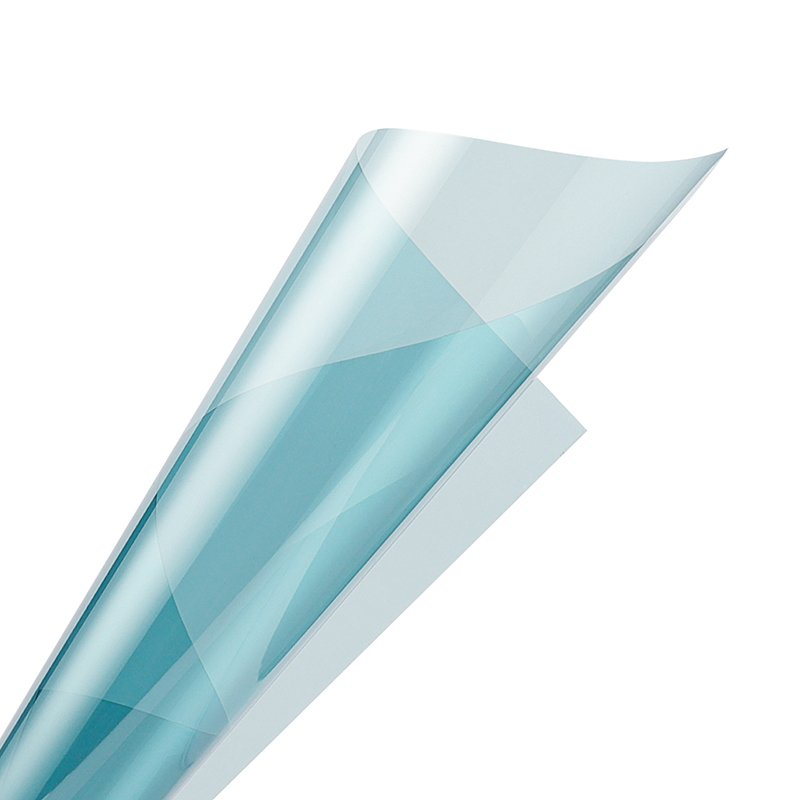
Another common trick: dyed film labeled as ceramic. Dyed film costs 60-70% less to produce than real ceramic. But on a spec sheet — especially one without proper testing standards listed — the numbers can look deceptively similar. A shop owner who doesn’t test with a heat meter won’t know the difference until customers start coming back in August complaining that their car is still hot.
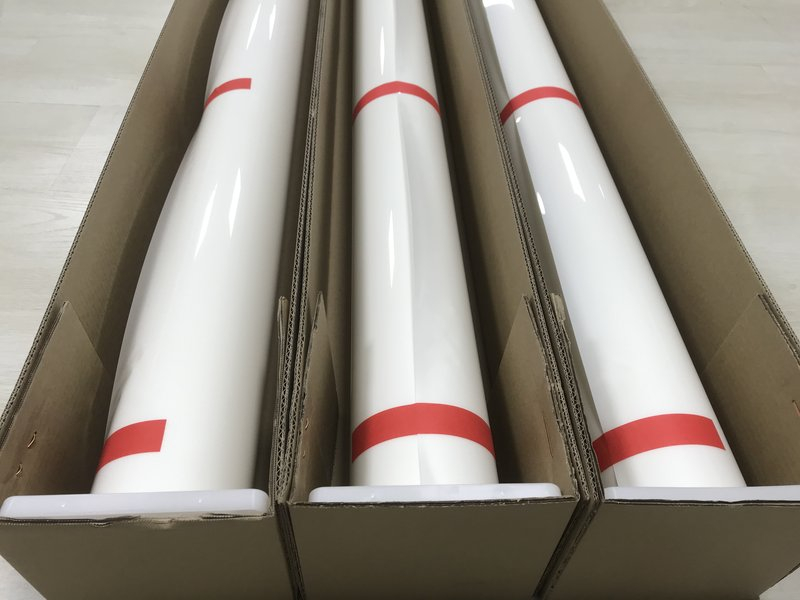
And here’s one most first-time importers miss: roll length. The industry standard is 30 meters per roll — that’s about 100 feet. But we’ve seen suppliers ship 25-meter or 26-meter rolls and call them “30-meter rolls.” You’re paying for 100 feet and getting 90. Over a container of 800 rolls, that’s 3,200 meters of film you paid for but never received. At even $0.80/m, that’s over $2,500 stolen — hidden in plain sight.
So don’t just look at the price. Don’t just look at the spec sheet. Ask for full spectrophotometer results across the 300-2500nm range. Ask for a sample roll — not a sample sheet — and measure it yourself. Check the clarity under different angles. Test the heat rejection with your own meter. And when the container arrives, unroll a few random rolls and measure the length. If a supplier won’t let you do this, you have your answer.
Mistake #2: Not Testing Samples With Your Own Hands
Every installer has their own style. The way one guy shrinks film on a BMW windshield is different from how another guy does a Toyota Camry. The film that feels right in one installer’s hands might feel completely wrong in another’s.
This matters more than most importers realize. If your dealers don’t like working with the film, they won’t sell it — no matter how good the specs look. We’ve seen distributors bring in excellent ceramic film at a great price, only to have their top installer refuse to use it because it “doesn’t shrink the way I’m used to.”
The fix is simple but many skip it: get samples and let your actual installers test them. Not just one installer — three or four. Let each one shrink a piece on a curved rear window. Let them feel the adhesive release. Let them check how it handles under a heat gun. The installer who can lay down a back window in 20 minutes with one film but takes 35 minutes with another just cut their hourly output by 43%. That’s real money.
This is especially true in high-cost markets — the US, UK, Australia, Germany — where labor is expensive and film cost is a small fraction of the total job. In these markets, a $20 difference in film cost per car is nothing compared to the labor efficiency gain of using a film the installer loves. Your dealers’ ROI depends more on installation speed and confidence than on saving a dollar per meter on the roll.
Find the film your top installers feel confident with. The one they can lay down fast and clean. That’s your product. Not the one with the best spec sheet.
Mistake #3: Ignoring the Full Landed Cost
International trade is never just about the product price. The number on the invoice is maybe 60-70% of what you’ll actually spend. The rest is freight, duties, insurance, port fees, customs brokerage, and inland trucking. Skip any one of these in your calculation and you’re working with fake numbers.
Let’s talk about freight, because this is where most of the hidden cost lives. You have two main options from China:
| Air Freight | Sea Freight | |
| Transit time | 6-8 days to major countries | 3-5 weeks depending on route |
| Cost per roll (approx.) | $65-75 per roll | $8-10 per roll |
| Best for | Urgent orders, small volumes, sample runs | Bulk orders, regular restocking, cost-sensitive operations |
Air freight is fast but expensive. If you’re moving 20 rolls for a sample run or an urgent restock, it makes sense — you pay $1,300-1,500 in freight and have the film in a week. But for a container of 800 rolls, sea freight is the only option that makes financial sense. At $8-10 per roll, your freight cost per car installation is maybe $2-3. At $65 per roll by air, that same car installation carries $15 in freight cost alone. Your margin evaporates.
If you’re a high-volume shop or distributor doing regular orders, think about your freight model as part of your business strategy. Maybe you air-freight your top-selling SKUs when stock runs low, and keep the bulk moving by sea on a predictable 6-8 week reorder cycle. The importers who plan this well are the ones who never have a dealer waiting on backorder while their competitor across town has film in stock.
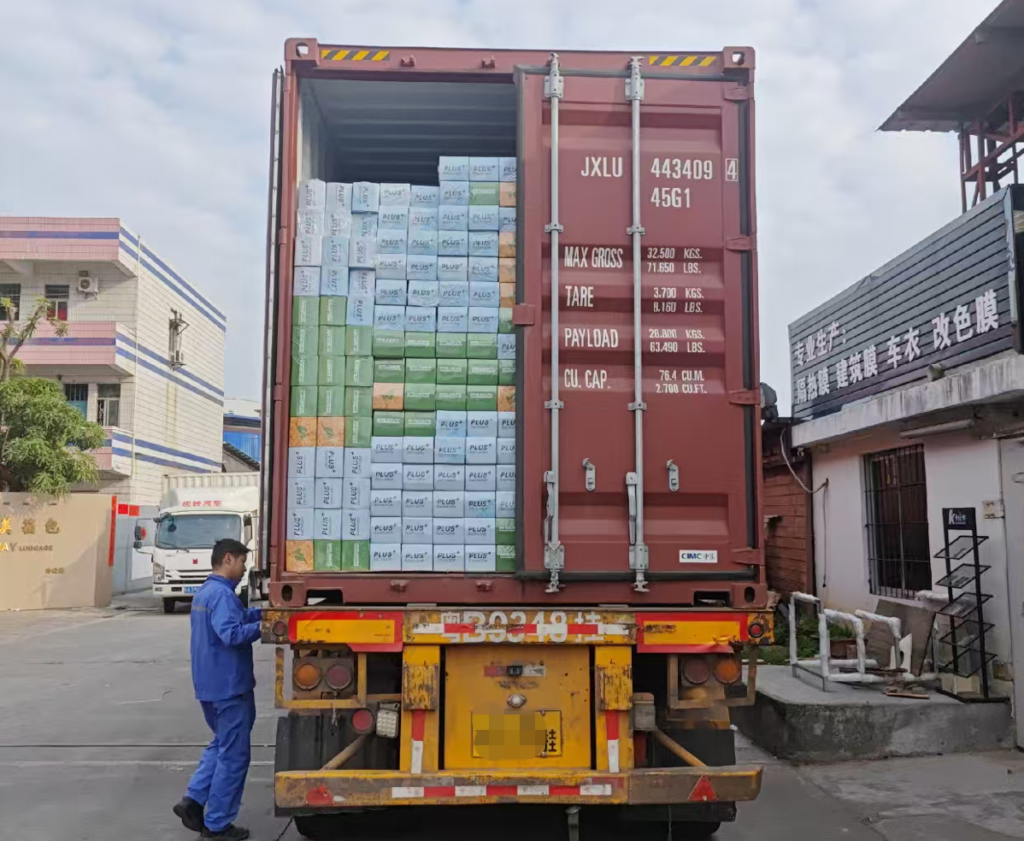
Mistake #4: Ordering Film That Doesn’t Fit Your Market
This one sounds obvious. It’s not. I’ve watched smart business owners order containers of film that were completely wrong for their customers.
If your market is Saudi Arabia, Dubai, or the Gulf — where summer hits 48°C and the sun is relentless — you need maximum heat rejection. Period. Not “decent” heat rejection. Maximum. These customers sit in their cars for hours in extreme conditions. They will notice the difference between 82% IR and 98% IR. Many actually prefer a film with slight metallic reflection — the reflective surface bounces more solar energy before it even reaches the glass, which keeps the cabin noticeably cooler in direct desert sun.
Our XO Series and NK Series are what moves in the Gulf. Nothing else. Dyed film doesn’t sell there because the heat cuts right through it. Even standard ceramic gets compared side-by-side and returned when it can’t match the premium option.
But if your market is budget-focused — say parts of Africa, South Asia, or lower-income segments anywhere — dyed film and color-stable film are exactly what you need. These customers want something better than nothing. They want a car that looks better and feels slightly cooler, and they want it at a price they can afford. K Series color-stable 2-ply film is perfect for this market. It won’t win a heat rejection contest against XO. It doesn’t need to. It wins on value.
The mistake isn’t buying the wrong quality of film. It’s buying quality that doesn’t match the customer in front of you.
Mistake #5: Trusting Parameters Over Real Performance
A spec sheet is a piece of paper. Or a PDF. It can say anything. And in this industry, it often does.
We’ve tested films from competitors that claim 95% IR rejection — and measured 72% with a spectrophotometer. The trick? They test at a single favorable wavelength (usually around 900-1000nm where their coating happens to perform well) and ignore the rest of the spectrum. Your customer doesn’t experience “IR rejection at 950nm.” They experience “is my car cooler or not?”
Numbers can be manipulated. Real performance can’t. So when you evaluate a supplier, look beyond the spec sheet:
What’s the factory’s reputation? How long have they been manufacturing — not just trading? What’s their actual product structure — do they make their own base materials or are they buying and rebranding? Do they have consistency across batches?
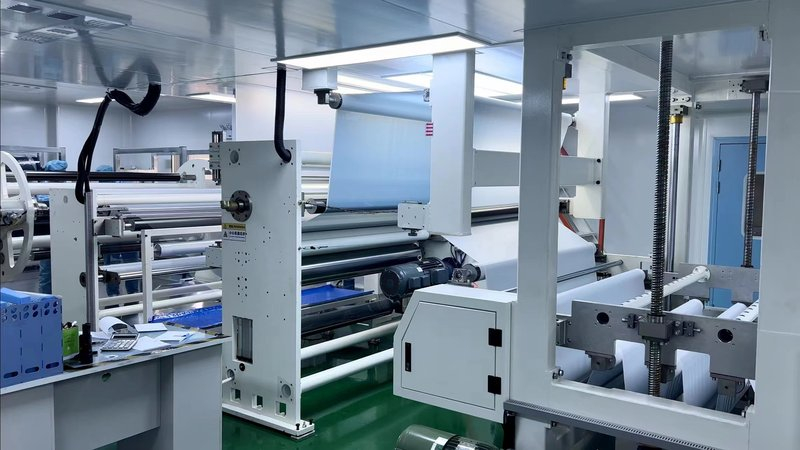
Here’s what a quality manufacturer looks like: you order the same SKU six months apart, and the color matches. The thickness matches. The adhesive behavior matches. The heat rejection matches. That’s not luck. That’s process control. If every batch looks slightly different, the factory doesn’t have real manufacturing capability — they’re probably buying from multiple sources and slapping a label on it.
Start small. Test thoroughly. Build trust gradually. If the first small order is perfect and the second small order is perfect, then you can talk about scaling up. The importers who skip this step are the ones calling me six months later asking if I know anyone who wants 500 rolls of “ceramic” film at a discount.
 Mistake #6: Not Checking Batch-to-Batch Consistency
 Mistake #6: Not Checking Batch-to-Batch Consistency
This is the test that separates real manufacturers from everyone else. Can they deliver the same product, every time, month after month?
Consistency across batches is the single best indicator of a factory’s quality control. One great batch proves they got lucky. Ten identical batches proves they have a system. Color consistency. Clarity consistency. Adhesive consistency. Thickness consistency. Heat rejection consistency. If any of these drifts between orders, your dealers will notice — and they’ll blame you, not the factory.
We’ve heard from importers who received a beautiful first order, placed a larger second order, and got film that was visibly different — slightly greener tint, slightly different shrink behavior. Their installers noticed immediately. “What happened to the film?” That’s a question you never want your dealers asking.
When you start with a new supplier, check every batch. Don’t assume. Unroll samples from different rolls in the shipment. Compare them side by side under the same light. Test heat rejection on multiple samples. If the second order doesn’t match the first, stop. Don’t order a third time hoping it’ll get better. It won’t. A factory with real quality control doesn’t have this problem. A factory without it will never fix it.
This is the core of what you’re actually buying when you choose a supplier. Not film. Reliability. Your dealers’ trust takes years to build and one inconsistent batch to destroy.
Before You Send Your Deposit: A 6-Point Checklist
- Measure the samples yourself — clarity, heat rejection, and roll length. Don’t trust the spec sheet.
- Let your top installers test the film on real cars. Their confidence and speed matter more than specs.
- Calculate your full landed cost: product + freight (air vs sea) + duties + port fees + broker + trucking. Add 10% buffer.
- Match the film type to your market. High-heat regions need max IR with reflection. Budget markets need value-first products like color-stable film.
- Check the factory’s track record. How long in business? Real manufacturer or trader? Consistency across batches?
- Start with a small test order. If batch 1 matches batch 2 in every aspect, scale up. If they don’t match, walk away.
FAQ
Q: How much should I budget for my first container?
A 20ft container with 800-1,000 rolls of mixed film types typically lands at $12,000-25,000 total landed cost, depending on your film mix (more ceramic = more expensive). For a first order, we often recommend a mixed container: 30% entry-level, 40% mid-range, 30% premium. This gives you product for every type of shop and you learn what moves fastest.
Q: Air freight or sea freight — which should I start with?
If you’re testing a new market and ordering under 50 rolls, air freight makes sense. You pay more per roll but get the film in a week and can test demand before committing to a container. For anything over 100 rolls, sea freight is the only option that preserves your margin.
Q: How do I verify the film is actually ceramic, not dyed?
Heat lamp test. Put a heat lamp behind the film and hold your hand on the other side. Real ceramic blocks significantly more heat — you’ll feel it immediately. Then check with a solar meter. If the numbers don’t match what you feel, someone’s spec sheet is lying.
Q: The sample was perfect. How do I make sure the production batch matches?
Include a ‘sealed sample’ clause in your purchase agreement. The factory must match the approved sample for every shipment. Arrange pre-shipment inspection — pick random rolls yourself or hire a third-party like SGS ($300-400). Don’t pay the balance until QC passes.
Bottom Line
Importing window film from China can be the best business decision you ever make. You get factory-direct pricing, consistent quality when you find the right partner, and full control over your supply chain.
But you have to walk in with your eyes open. Verify quality. Test with your own hands. Calculate every cost. Match your product to your market. Check consistency across every batch. Start small and scale up when the supplier proves themselves.
We’re a factory in Guangdong that’s been making window film for over a decade. We ship to worldwide countries. We’ve seen every mistake in this article happen to real people — and we’ve helped many of them recover and build profitable businesses. If you’re thinking about importing, tell us your target market and monthly volume. We’ll send you sample rolls of the right film within 5 business days. Test them yourself. Let your installers work with them. If they’re right for you, we’ll help you build your order. If not, no obligation.