
You’re looking at a spec sheet from a Chinese factory. Numbers look solid. Price is half what your local distributor charges. But you’ve been burned before — film that looked great in photos turned purple in 18 months. Your dealers called. Your reputation took the hit.
This guide is for importers and wholesalers who evaluate window film the way professional buyers do. Not by spec sheets alone. Not by price alone. By understanding the 5 factors that determine whether a film makes you money — or costs you money.
The 5 Factors That Actually Matter When Choosing Film Types
Factor 1: Market Climate — Hot vs Temperate vs Mixed
The first question isn’t “which film is best?” It’s “where are you selling it?”
In Dubai or Riyadh, summer hits 50°C. Your customers want one thing: maximum heat rejection. If your film can’t deliver 95%+ IR rejection at 1400nm, you won’t last two seasons. We ship our XO Series — 98% IR rejection, nano-cesium-doped tungsten oxide — to Gulf distributors who stock nothing else. Dyed film barely registers. Even standard ceramic gets returned when customers compare the cabin temperature difference.
In the UK or Germany, VLT compliance matters more than extreme IR. Shops need 70% front film that’s actually legal — and they’ll pay for nano-ceramic that gives solid UV protection without making the glass look modified. Our NK Series hits this market perfectly — 95% IR rejection, pure ceramic, clean appearance.
In mixed markets like the US — Florida wants max IR, New York demands legal compliance — you need range. The distributors who win carry 3-4 film grades, not one. A typical US importer stocks SF Series for heat-conscious Southern dealers and IR Series for cost-conscious shops who still want ceramic performance.
Factor 2: Customer Price Sensitivity — Budget, Mid, or Premium
We’ve watched distributors make the same mistake: they stock what they’d personally buy. Love premium ceramic? Order 90% ceramic. Then wonder why the budget shops walk away.
In most developing markets — Nigeria, Pakistan, Indonesia — 70% of car owners are buying their first tint. They want better than nothing, not the best on earth. Our K Series — color-stable 2-ply film, no purple, no peeling — moves faster than ceramic sitting on a shelf. Pair it with DD Series carbon film for the mid-range buyer, and you cover the entire market.
In South America, we see a different pattern. Shops want ceramic performance but at a price that makes sense for volume. Our IR Series — pure ceramic, 82% IR rejection, highly competitive pricing — is the workhorse across Brazil, Colombia, and Mexico. It outperforms many big-brand equivalents at a wholesale price that leaves room for real margin.
The sweet spot for most distributors: 30% entry (K Series or DD), 40% mid-range (IR Series), and 30% premium (XO or NK). You serve every shop from the budget installer to the high-end detailer in one container.
Factor 3: Installation Skill Level in Your Market
This one gets overlooked constantly. Thicker nano-ceramic films — XO and NK at 2 mil — need more skill to shrink and lay down clean than thinner dyed films at 1.5 mil. If your dealers only know cheap dyed film, a container of premium ceramic won’t mean repeat orders. It’ll mean warranty claims.
Start dealers on DD Series carbon film. It’s forgiving to install, looks great, and gives installers confidence. Then introduce IR Series ceramic once they’re comfortable. Save XO for your top-tier shops who can charge premium prices and deliver flawless installs.
We’ve shipped to distributors in Southeast Asia who carry every KSB series — K for volume shops, DD for fleet work, IR for mid-range ceramic, NK for premium buyers. Their dealers choose based on skill level and customer budget, and nobody gets stuck with film they can’t install.
Factor 4: Regulatory Environment
In Australia, Queensland allows 35% VLT on front windows; NSW requires 35% but enforces more strictly. In the US, Arizona allows 33% while New York limits front windows to 70%.
This changes your stocking decision completely. Importing for a 70% VLT market and ordering mostly 20% and 35% film? You’re sitting on unsellable inventory. XO Series comes in 5, 20, 35, and 70% VLT for exactly this reason. NK, SF, IR — all offer multiple VLT options so you can match any regulatory environment.
Before you order a single roll, check the government transport website for your target countries. US buyers: the International Window Film Association maintains a free state-by-state database. Print it. Check it before every purchase order.
Factor 5: Your Dealer Network Structure
Selling to 5 chain shops doing 200 cars each? Or 50 independents doing 20? Same container, completely different product strategy.
Large chains want 2-3 SKUs, bulk pricing, fast restocking. They commit to volume — DD Series for fleet jobs, NK Series for premium upsells. Independents need variety. They need K Series for walk-in budget customers, IR Series for the mid-range upsell, and XO samples on display for the client who wants the best. A distributor serving independents carries more film types and more VLT options per type.
SF Series — nano-ceramic with slight metal content, 92-95% IR — is a dealer favorite because it’s visually distinctive. Customers see the quality. Installers like working with it. It sells itself when you put a heat lamp demo in the shop.
KSB Product Recommendations by Region
Based on what’s actually moving through ports — not what looks good on paper:
| Region | Recommended KSB Series | Why | Key Spec |
| Middle East / Gulf | XO Series, NK Series | Extreme heat demands max IR; premium buyers | 98% IR @ 1400nm (XO), 95% (NK) |
| South America | IR Series, DD Series | Ceramic performance at competitive pricing; carbon for volume | 82% IR, pure ceramic / easy install |
| Southeast Asia | K, DD, IR, NK (all series) | Full market coverage: budget to premium | 5-95% IR range across product line |
| North America | SF Series, NK Series, XO Series | Heat + legal compliance; mixed dealer types | 92-98% IR, multiple VLT options |
| Europe / UK | NK Series, IR Series | High VLT requirements; UV protection focus | 70% VLT available, 82-95% IR |
| Africa (emerging) | K Series, DD Series | Price-first market, growing middle class | Color-stable 2-ply, 5yr warranty |
A Quick Look at the KSB Product Line
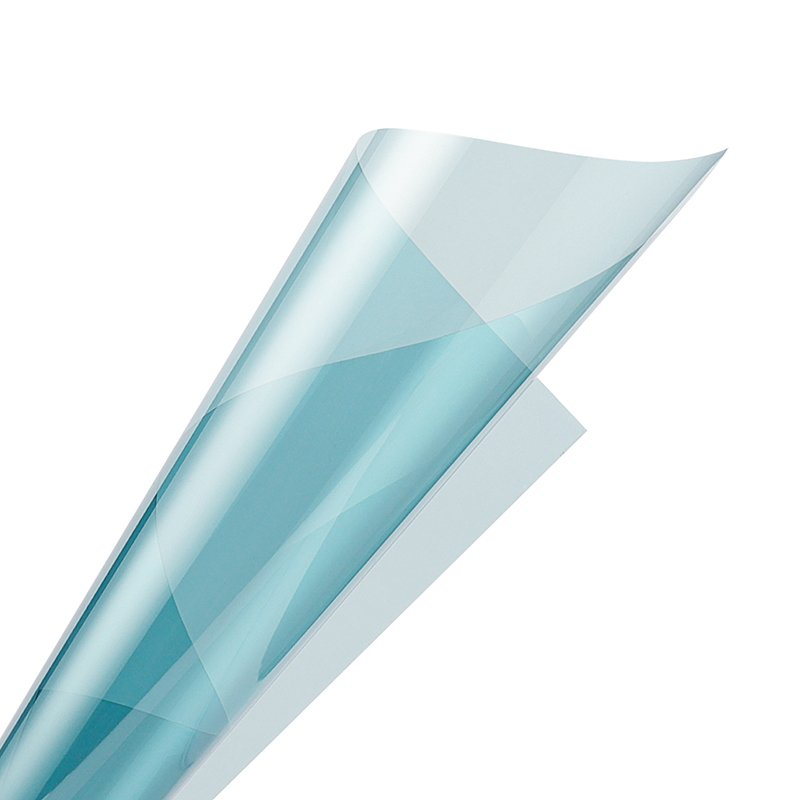
XO Series — Our flagship. 98% IR rejection, nano-cesium-doped tungsten oxide. 4 VLT options (5/20/35/70). For distributors serving premium shops in extreme-heat markets.
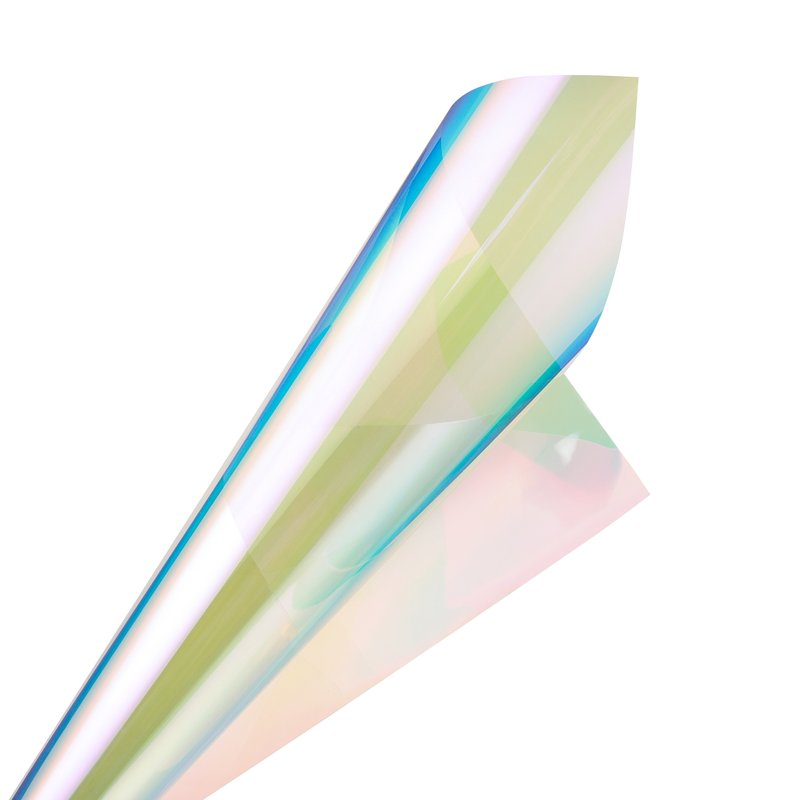
NK Series — Pure nano-ceramic, 95% IR. Clean appearance with a slightly green background that installers love. Often compared to Llumar IRX by shops who’ve used both.
SF Series — 92-95% IR, nano-ceramic with a trace of metal for visual quality. A dealer must-have — customers see the difference immediately.
IR Series — Pure ceramic, 82% IR. The value play. Performance matches or beats big-brand ceramic at a wholesale price that leaves real margin.
DD Series — Carbon ceramic. Super easy to shrink. 5-year warranty. Built for high-volume shops and fleet projects where speed matters.
K Series — Entry-level color-stable 2-ply. No purple, no peeling, no fade. Massive volume in developing markets.
Margin Reality: Volume vs Premium Play
K Series costs you $40-60 per roll. Sell at $80-100. Nice margin percentage (50-60%), but absolute dollars per roll are small. You need volume — containers, not pallets.
XO Series costs $200-280 per roll. Sell at $380-500. Margin percentage is lower (35-45%), but every roll puts $170-220 in your pocket. You don’t need as much volume to make real money.
The most profitable distributors layer both. K and DD pay the warehouse rent. IR and NK pay your salary. XO is the bonus. Mix it right, and your overall gross margin sits at 40-50%. In automotive aftermarket, that’s excellent.
One thing: always calculate landed cost before setting prices. A $100 FOB roll can hit $135 landed after freight, duties, and port fees. If you price based on FOB, you’re already underwater. Use our free landed cost calculator to get the real number.
The Risks Nobody Mentions
Batch quality variance. Request sealed samples with every purchase order. The factory must match the approved sample for every shipment. If they won’t agree to this, walk away.
Seasonal demand. 60% of annual window film sales happen April-August in temperate markets. Order a container in October, and you’re paying 5 months of warehouse costs before it moves. Plan your import calendar around your market’s peak season.
Currency swings. We’ve seen importers lose 8% of margin overnight when the dollar moved against the yuan between order and delivery. Lock exchange rates, or build a 10% buffer into your wholesale pricing.
FAQ: Questions We Get from Importers Every Week
Q: How do I test a new film before committing to a container?
Request our sample book plus a 20-foot sample roll. Heat lamp demo. Clarity check at multiple angles. Leave a piece in direct sun for 2 weeks. If it fades in 14 days, imagine what happens in 2 years. We ship samples free — you cover freight.
Q: Which series should I start with for a new market?
If the market is hot and premium-focused (Gulf, Southern US): start with XO and NK samples. Price-conscious but quality-aware (South America, Southeast Asia): IR Series. Emerging/volume-focused (Africa, South Asia): K and DD. Test 2-3 series. Let sales data tell you what to reorder.
Q: Can I mix series in one container?
Yes — and you should. A 20ft container fits 800-1,000 rolls. Split 30/40/30 across entry, mid, premium. You serve every shop type from day one.
Q: How long do samples take?
5-7 days by air. Sea freight is 3-4 weeks but cheaper. First order with a new supplier? Pay for air freight. The $50 extra prevents a $15,000 mistake.
Q: What if a film series doesn’t move?
Start small. 100 rolls, mixed series. Test 2-3 months. Fast movers get reordered in bulk. Slow movers get discounted and cleared — better than dead inventory.
Q: How do I verify a factory is real, not a trading company?
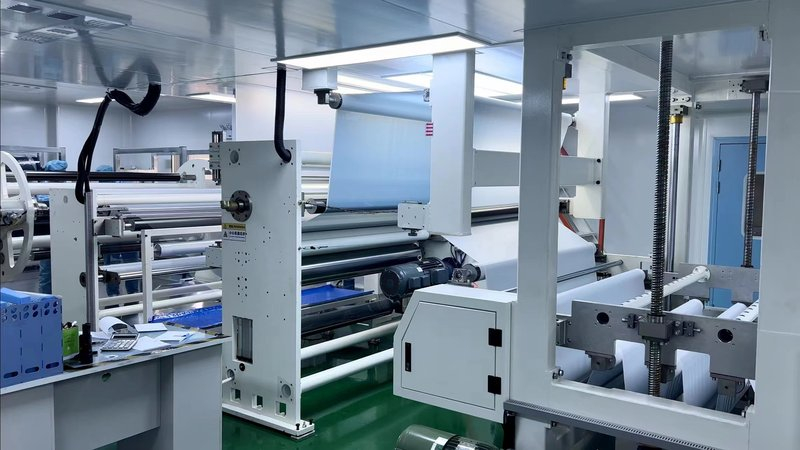
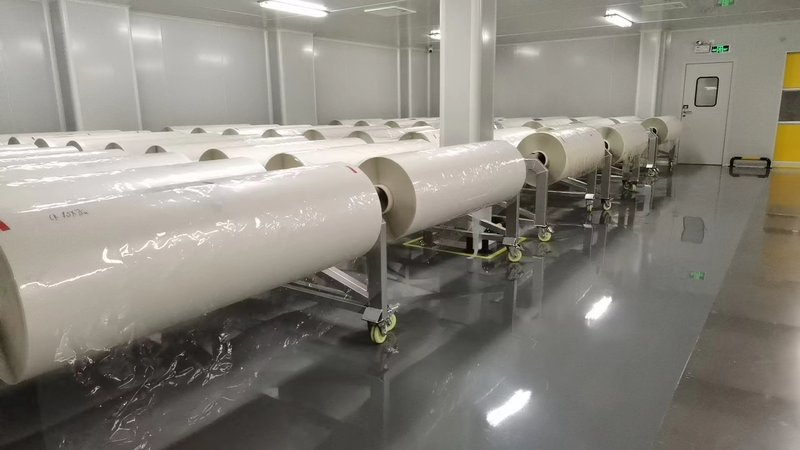
Ask for a video call showing the production line with today’s date visible. A real factory does this in 5 minutes. Also check the business license: manufacturers list production in their scope. Takes 2 minutes.
The Bottom Line
Evaluating window film as an importer isn’t about finding the “best” film. It’s about finding the right film for your market, your dealers, and your margins. Climate first. Then price sensitivity. Then installer skill. Then regulations. Then dealer network structure.
Get these 5 right, and you’ll have a product mix that moves fast, earns repeat business, and builds dealer trust. Get them wrong, and you’re the distributor with great prices on film nobody wants.
Need help figuring out which KSB series fits your market? We’ve been shipping to 40+ countries for years. We’ve probably already seen what works in your region.
Ready to Build Your Product Mix?
Tell us your target country and monthly volume. We’ll send you a customized product recommendation — with sample rolls from the right series — within 5 business days. No cost, no commitment.
Email david@window-tint-manufacturer.com or WhatsApp +86-+86 132 4647 7797 with your market, and we’ll recommend the exact series and VLT mix that fits.
Related Resources
How to Source Window Films from China → /blog/how-to-source-window-films-from-china/ — If you’re new to importing from China, this walks you through supplier identification, factory visits, and first-order negotiation.
What Is Nano-Ceramic Window Film? → /blog/what-is-nano-ceramic-window-film/ — Deep dive into the technology behind XO, NK, SF, and IR Series. Understand what nano-ceramic actually means.
KSB Full Product Catalog → /products/ — Complete specs, VLT options, and wholesale pricing tiers for every KSB series.