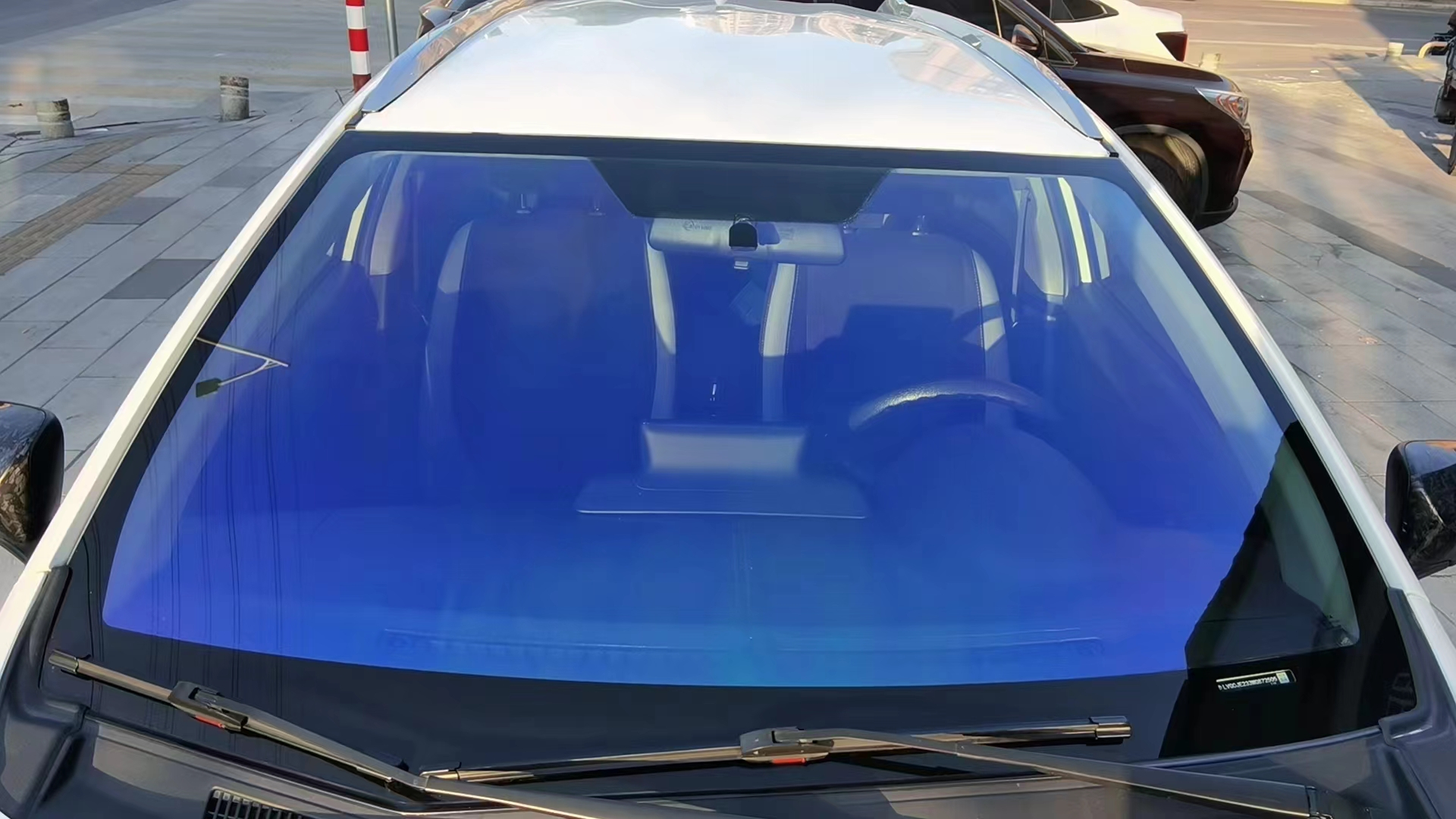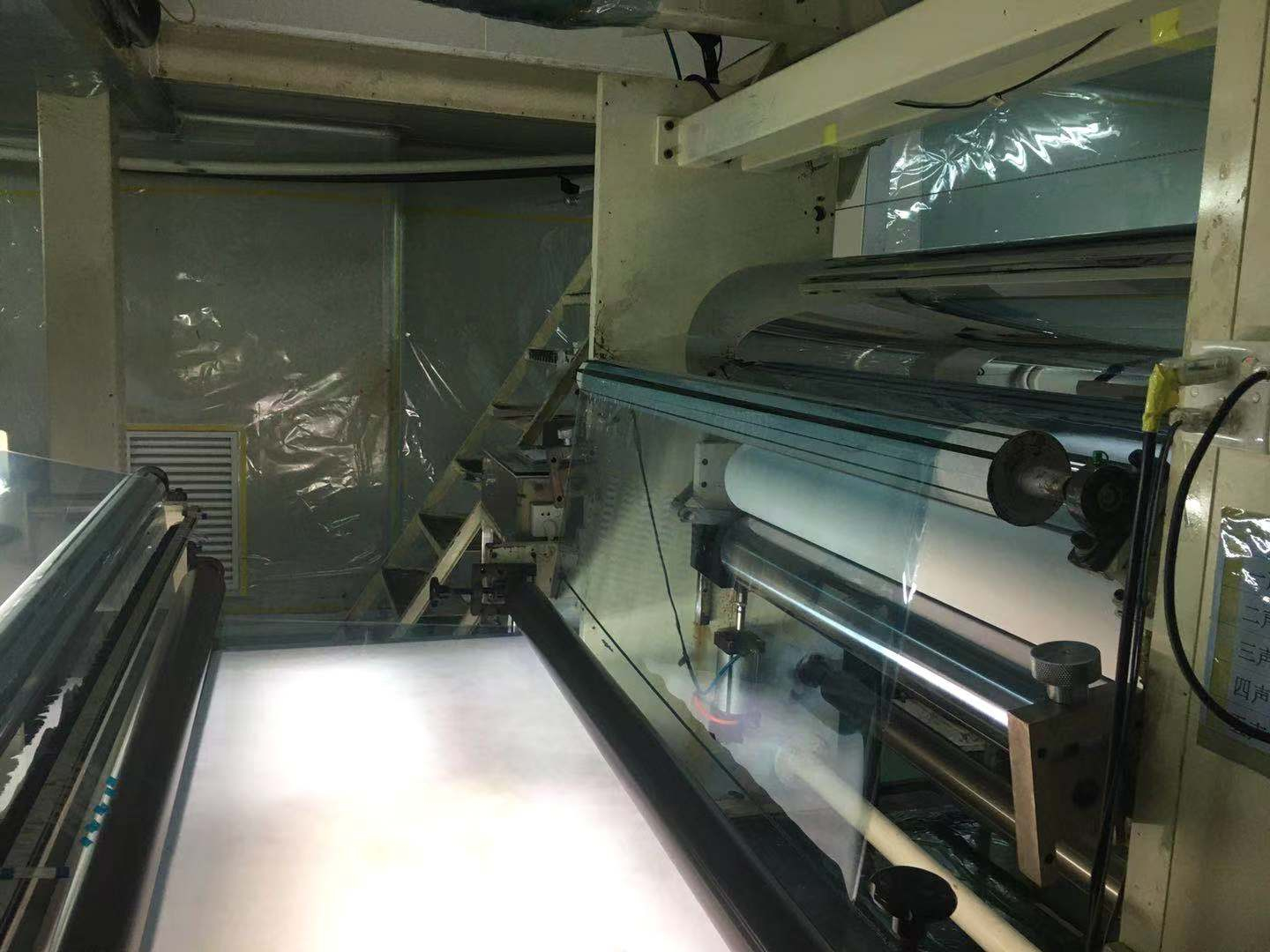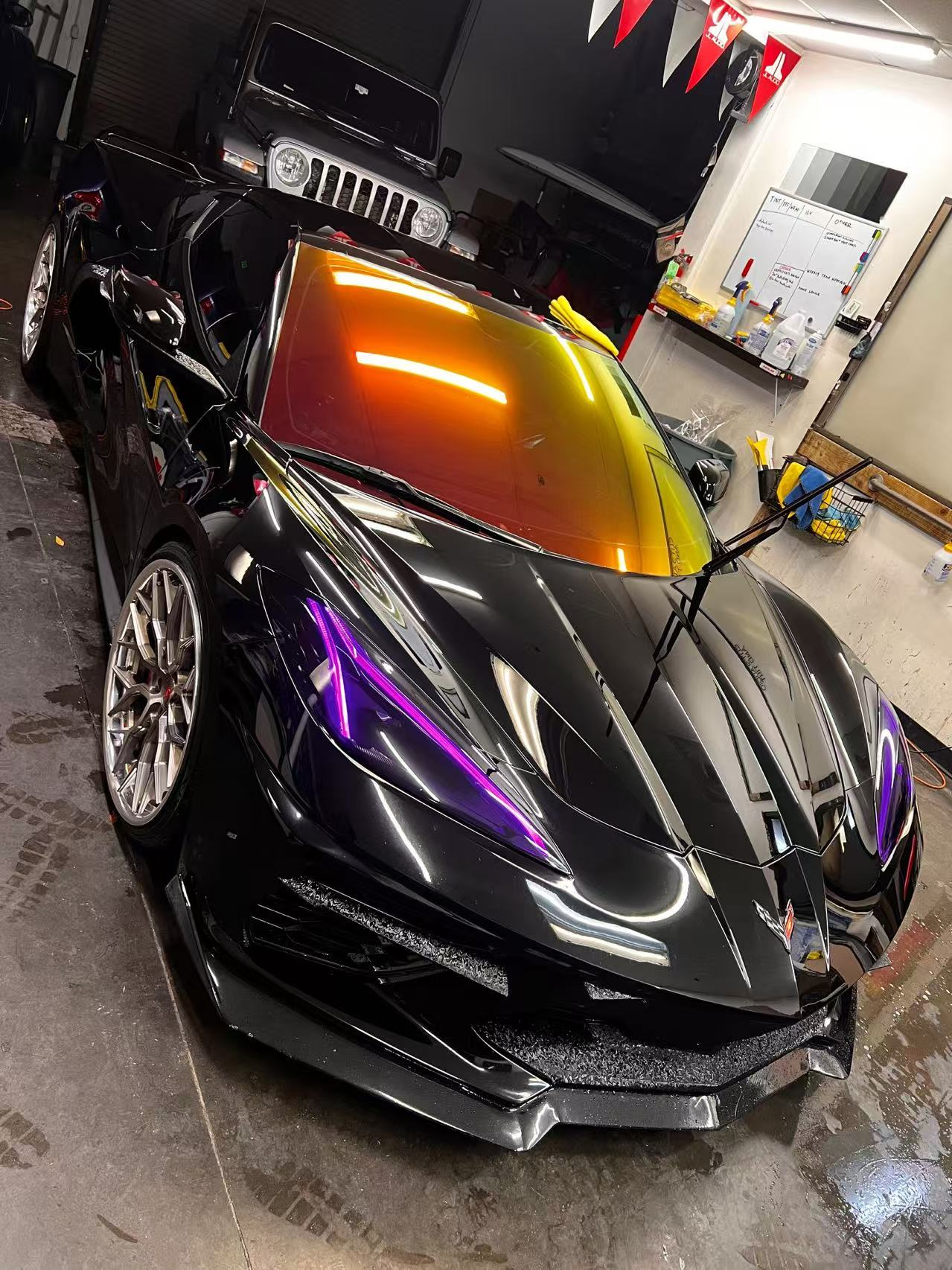

Anyone who has worked on real tint jobs knows one thing very clearly. The film is only half the job. The other half is the tools. You can buy the best window film in the market, but if your blade drags, your squeegee leaves lines, or your heat gun runs uneven, the job will never look right. Every installer has had days where a simple job took twice as long because the tools were fighting back. This is not a beginner’s problem. This is a production problem.
In busy tint workshops and on commercial building sites, speed matters. Consistency matters. Clean edges matter. A small mistake shows up immediately on glass, and clients notice it. That is why professional installers do not work with random tools. They work with a complete window tint installation kit that is built for daily use, not occasional jobs. A proper kit is not about convenience. It is about control.
- Control over dust
- Control over water
- Control over film handling
- Control over finishing quality
Whether you are tinting vehicles, villas, office buildings, or retail façades, the right tools allow you to work faster and deliver results that customers are willing to pay for.
This guide is written for professionals who treat window tinting as a skilled trade. It explains what a real professional window tint installation kit is, how it is used in automotive and architectural projects, and why experienced installers prefer working with manufacturer-grade tools and wholesale supply partners.
What Is a Window Tint Installation Kit?
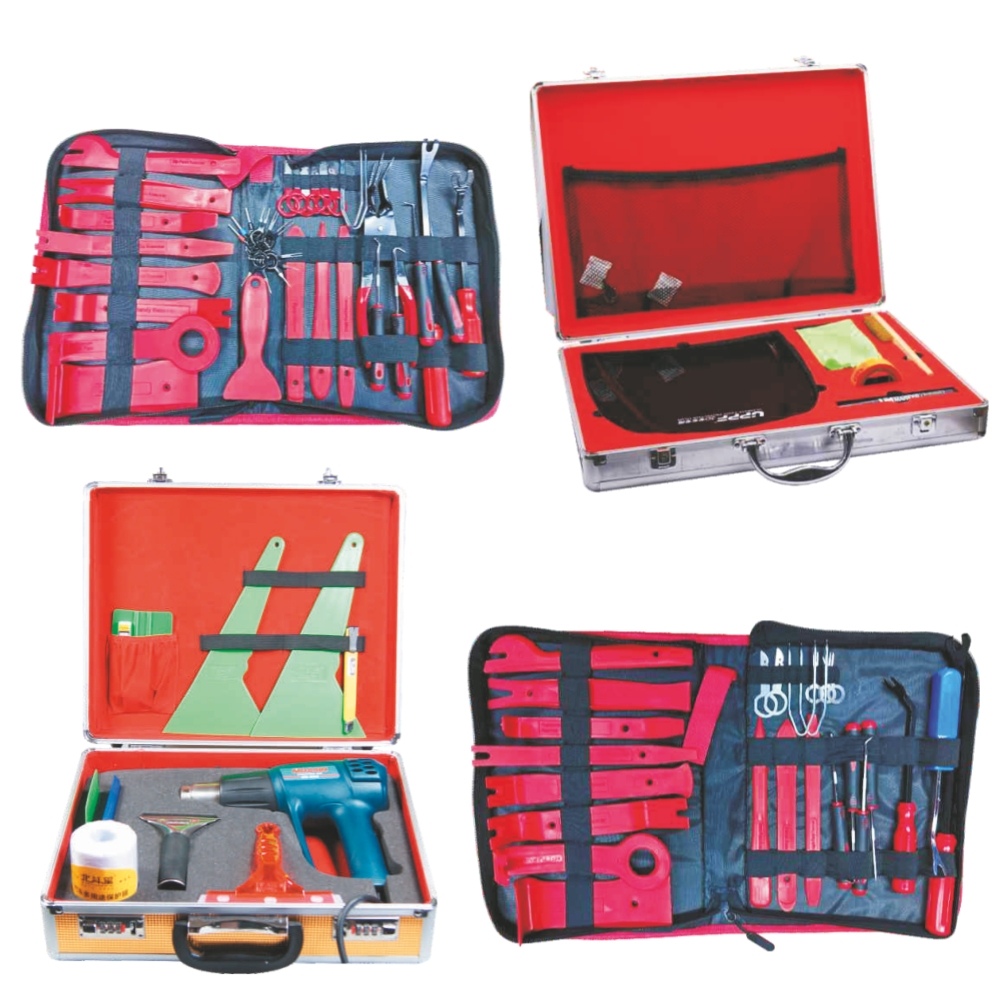
A window tint installation kit is a complete working tool system used by professional installers to apply window film on automotive and architectural glass.
- It is not a DIY box
- It is not a starter pack
- It is not a collection of cheap accessories
- A professional kit is built for production work
It includes the tools needed for every stage of installation:
- Preparing the glass
- Handling the film
- Applying the film
- Locking the adhesive
- Finishing the edges
When all of these tools work together, the installation becomes predictable. When even one tool fails, problems start to appear. That is why experienced installers do not mix random brands and cheap tools. They standardize their kits and work with the same setup on every job.
What Makes a Professional Tinting Windows Kit Different?
A professional tinting windows kit is designed for installers who work every day. DIY kits are made for one or two home projects. Professional kits are made for hundreds of installations. The difference shows up very quickly on the job.
A professional kit is built to:
- Handle repeated cutting without tearing film
- Maintain sharp edges for clean trimming
- Apply even pressure across large glass surfaces
- Control water and air on complex window shapes
- Perform consistently in hot workshops and outdoor sites
Professional installers rely on their tools the same way mechanics rely on torque wrenches and surgeons rely on scalpels. Precision is not optional.

Automotive and Architectural Applications
Window tint installation kits are used in two main professional fields.
Automotive Window Tinting
Professional installers rely on specialized film products such as automotive window tinting rolls and tools to deliver consistent results. Vehicle tinting is one of the most demanding applications.
Installers work with:
- Curved rear windows
- Defroster lines
- Tight rubber seals
- Complex door glass shapes
Shrinking film correctly is critical. Cutting accuracy is critical. Dust control is critical. A weak blade or unstable heat gun can ruin an entire rear window in minutes. That is why automotive installers depend heavily on tool quality and heat control.
Architectural Window Tinting
Architectural tinting is a different type of challenge.
Installers work with:
- Large glass panels
- Long straight edges
- High-visibility façades
- Occupied buildings
Water control becomes the priority. Edge finishing becomes highly visible.
Speed on site affects labor costs. In commercial buildings, every defect can be seen by clients, tenants, and property managers.
Why Professional Installers Standardize Their Kits
Walk into any serious tint workshop and you will see the same thing. Every technician uses the same tools. This is not by accident.
Standardized window tint installation kits allow workshops and contractors to:
- Train new installers faster
- Maintain consistent finish quality
- Control job timing
- Reduce installation mistakes
- Simplify tool replacement and inventory
When everyone works with the same professional window tint tools, the workflow becomes predictable. That is what allows shops to scale and contractors to take on larger projects. In production environments, the installation kit is part of the business system.
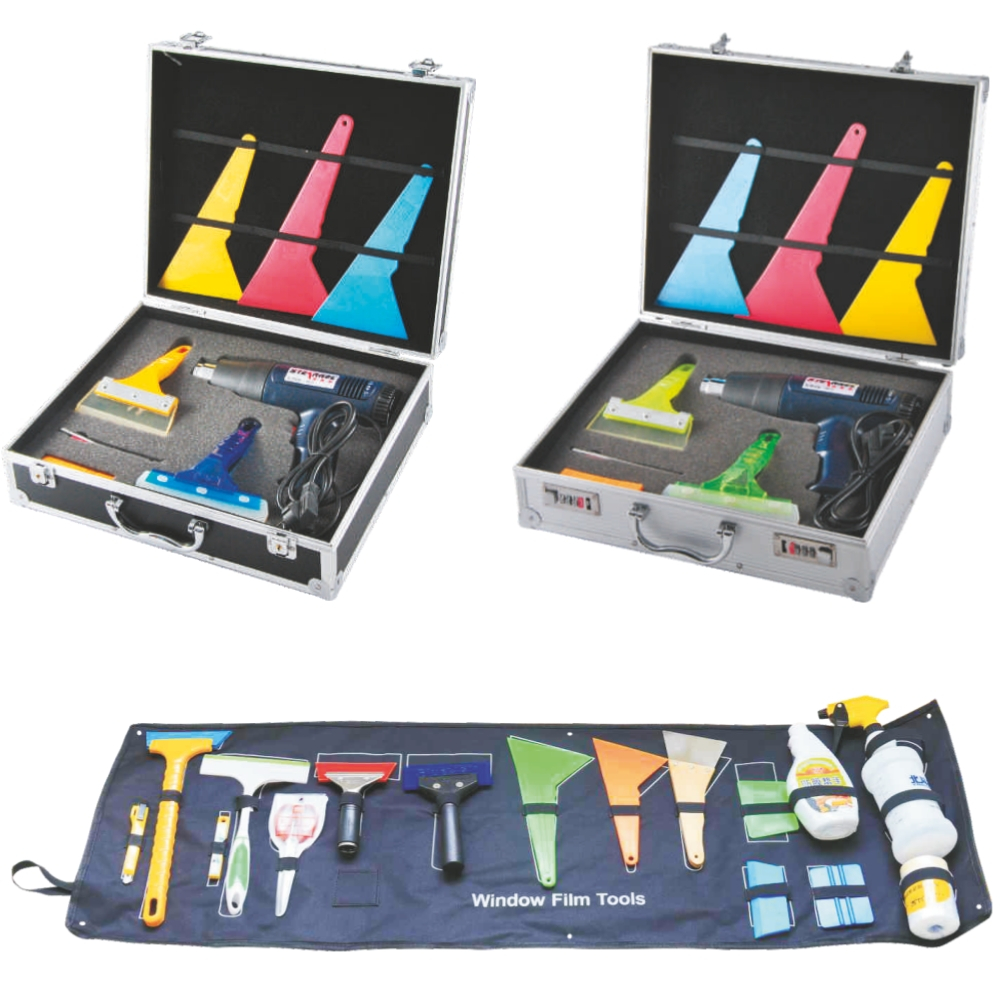
What Tools Are Included in a Professional Window Tinting Tools Kit?
A professional window tinting tools kit is built around one simple goal.
Give the installer full control over the installation. Every tool in the kit serves a specific purpose. If one tool fails, the job slows down. If several tools fail, quality drops. A proper kit supports every stage of installation, from cleaning the glass to locking down the final edge. Below are the core tools that every professional installer relies on.
Core Tools in a Professional Window Tint Installation Kit
Squeegees
The squeegee is the most used tool in any installation. It controls water, air, and adhesive bonding. Professional kits usually include multiple squeegee types because no single blade works for every job. Soft blades are used for finishing and edge work. Medium blades are used for general water extraction. Hard blades are used for large glass panels and thick architectural film. A good squeegee must hold its edge. If it warps or softens, it leaves lines behind. Installers replace cheap squeegees often. Professionals invest in ones that last.
Blades and Cutting Tools
Clean edges define a professional job.
- Low-quality blades drag on the film.
- They tear edges.
- They leave jagged cuts.
- They increase waste.
Professional installers use high-grade carbon or stainless steel blades because they stay sharp longer and cut cleanly. Most workshops keep blade changes on a fixed schedule.
Dull blades slow down trimming and increase mistakes. In high-volume shops, blade quality directly affects production speed.
Heat Guns
For automotive tinting, the heat gun is critical. Rear windows and curved glass require controlled shrinking. Inconsistent heat causes overstretching. Overheating damages film. Underheating wastes time. Professional heat guns are designed for continuous operation. They maintain stable temperature. They handle long workdays without overheating. Installers who rely on cheap heat guns usually replace them often. Professionals invest once and work for years.
Sprayers and Slip Solution Bottles
Water control is everything in tinting.
Sprayers are used to:
- Clean glass
- Apply slip solution
- Position film
- Control dust
A good spray pattern allows even coverage. Poor sprayers leave dry patches and cause film to grab too early. Most professional kits include multiple bottles so installers can separate cleaning solution from installation solution.
Scrapers and Glass Preparation Tools
No film will stick properly on dirty glass. Even small debris becomes visible once film is installed. Dust, glue residue, and paint overspray are common problems on both vehicles and buildings.
Professional kits include:
- Fine-grade scrapers
- Non-scratch pads
- Lint-free wiping tools
Glass preparation takes time, but skipping it always leads to rework. Experienced installers spend more time cleaning than applying.
Hard Cards and Edge Tools
Modern vehicles and buildings have tight tolerances. Seals sit close to the glass. Trim panels leave little space.Edges must be tucked precisely.
Hard cards and edge tools help installers:
- Push film behind seals
- Set tight bottom edges
- Shape film into corners
- Finish difficult contours
These tools are especially important on frameless doors and modern architectural glazing.
Car Window Tint Kit vs Residential Window Tint Kit
Many people use the same term for all tint kits, but in practice, automotive and architectural installations require different tool setups.
Car Window Tint Kit
Automotive kits are built for curved glass and tight spaces.
They focus on:
- Heat shrinking tools
- Precision cutting blades
- Contour shaping tools
- Small-detail edge tools
- Dust control equipment
Vehicle tinting is about accuracy and control. One mistake on a rear window can waste an entire sheet of film.
Residential and Commercial Window Tint Kit
Architectural kits are built for large glass panels and long runs.
They focus on:
- Large squeegees for wide glass
- Long-handle tools for reach
- Water extraction tools
- Edge sealing tools
- Site efficiency equipment
Building tinting is about speed and consistency. Time on site directly affects project cost.
Why Professionals Do Not Use DIY Tinting Windows Kits
DIY tinting windows kits are made for occasional home projects. They are not built for production work.
Most DIY kits suffer from:
- Soft plastic tools that bend under pressure
- Low-grade blades that dull quickly
- Weak sprayers with uneven coverage
- Poor heat control tools
- Inconsistent finish quality
Professional installers cannot afford rework. They cannot afford delays. They cannot afford visible defects. That is why workshops and contractors invest in professional window tint installation kits designed for daily use. The cost difference is small. The performance difference is massive.
DIY Tinting Windows Kits vs Professional Installation Kits
Most installers begin their journey with a basic tinting kit. It is a natural starting point. At first glance, these kits appear complete. They usually include a blade, a squeegee, a spray bottle, and sometimes even a small heat gun. On paper, everything looks sufficient.
In real production work, however, the difference becomes clear very quickly. DIY tinting windows kits are designed for occasional use. They are made for one or two vehicles, or a small home project. Professional installation kits are designed for daily work in workshops and on commercial job sites. They are built to survive repeated use, long working hours, and demanding conditions.
The first few installations may go smoothly with a basic kit. Over time, though, blades begin to drag, squeegee edges lose their shape, spray bottles clog, and heat guns struggle to maintain stable temperature. These issues slow down the workflow and increase the risk of installation defects.
Professional installers think in terms of production, not individual jobs. They need tools that perform the same way on the first car of the day and the last. This is where professional window tint installation kits make a measurable difference.
| Area | DIY Installation Kit | Professional Installation Kit |
| Intended use | Occasional projects | Daily production work |
| Tool durability | Limited lifespan | Built for long-term use |
| Cutting precision | Inconsistent over time | Consistently clean cuts |
| Heat control | Basic and unstable | Stable and continuous |
| Installation speed | Slower workflow | Optimized workflow |
| Finish quality | Acceptable for home use | Commercial-grade finish |
DIY kits are not incorrect. They are simply not designed for professional operations. Workshops that handle multiple vehicles per day or manage commercial contracts require a higher level of reliability and consistency.
Why Professionals Choose Wholesale Window Tint Kits
As tint businesses grow, their priorities change. Tool selection stops being a personal preference and becomes an operational decision.
In a workshop with multiple technicians, consistency is critical. Every installer must follow the same process. Every job must meet the same finish standard. Every vehicle or building must leave with the same level of quality.
Wholesale window tint kits make this possible. Standardized kits allow businesses to equip all technicians with the same tools, ensuring consistent installation methods across the entire team. Training becomes easier, quality control becomes more predictable, and job timing becomes more accurate.
For growing tint shops and commercial contractors, wholesale kits also simplify procurement. Instead of sourcing individual tools from multiple suppliers, they receive complete, ready-to-use working systems. From a management perspective, this approach improves efficiency across the operation.
The Business Impact of Professional Tool Systems
In professional tinting, tools directly affect profitability. A dull blade wastes film.
A weak squeegee slows down water extraction. An unstable heat gun increases the risk of film distortion. These problems may seem minor on a single job, but over hundreds of installations, they create measurable losses in time, material, and labor.
Experienced workshop owners understand this clearly. They invest in professional window tint installation kits early because they know that tools pay for themselves through faster installations, fewer errors, and reduced rework. Over time, a professional kit becomes one of the most valuable assets in a tinting operation.
Why Bulk Supply Makes Sense for Growing Operations
Buying tools individually works for small shops. It becomes inefficient as operations scale.
Once a business starts handling fleet contracts, dealership agreements, or large commercial projects, it requires predictable workflow and reliable equipment. Bulk window tint tools allow companies to equip new installers quickly, maintain spare kits on hand, and replace worn tools without interrupting operations. For distributors, bulk supply also simplifies logistics. Instead of managing dozens of individual SKUs, they can supply complete installation kits that are ready for immediate use. This approach strengthens relationships with professional installers and supports long-term business growth.
When Wholesale Kits Become a Business Requirement
Every tint business eventually reaches a point where individual tool purchases are no longer practical.
This usually happens when:
- The workshop expands its installation team
- The company begins handling fleet or dealer contracts
- A contractor wins larger commercial projects
- A distributor builds an installer network across multiple regions
At this stage, the installation kit is no longer a side purchase. It becomes part of the operating system of the business. Professional-grade, standardized window tint installation kits allow companies to scale with confidence while maintaining consistent quality across all projects.
Why Buying Installation Kits from a Manufacturer Changes the Business
At some point, every serious tint business reaches the same conclusion. Retail suppliers are fine when you are small. They stop making sense when you grow. Retail stores are built for variety. Manufacturers are built for consistency. When installers buy tools from different shops, they end up with mixed quality. One batch of blades cuts well. The next batch drags. One squeegee holds its edge. The next one warps after a month. Heat guns change models every year. Spray bottles leak. Handles break. This creates instability inside the business. Production work needs stable systems. Not random tools.
This is why established tint companies prefer working directly with manufacturers. The tools are designed as part of a system. They are tested in real workshops. They are built for long shifts, hot environments, and daily handling.
When tools come from a factory instead of a reseller, the business gains control over quality, supply, and long-term availability. That control is what allows operations to scale.
How Manufacturer Supply Improves Long-Term Operations
Manufacturers do not think in terms of single orders. They think in terms of production cycles. This makes a difference. A manufacturer builds tools knowing they will be used thousands of times. They select materials that hold shape under heat. They design blades that keep their edge longer. They test handles for grip and fatigue. They balance weight for all-day use.
When workshops buy from manufacturers, they benefit from:
- Stable product lines that do not change every season
- Predictable restocking
- Uniform quality across all teams
- Technical documentation
- Replacement parts and accessories
- Long-term supply contracts
Instead of chasing tools across different suppliers, the business builds a single supply chain. That saves time. That saves money. That reduces downtime.
 KSB Window Films as a Manufacturing Partner
KSB Window Films Material Co., LTD operates as a factory, not a trading company.
This matters.
Everything is produced under controlled manufacturing conditions. Film production, material sourcing, testing, and quality control all happen in-house. The same production discipline is applied to installation tools and professional kits.
KSB supplies installation kits to:
- Automotive tint workshops
- Architectural film contractors
- Regional distributors
- Wholesale buyers
- OEM partners
These are not retail kits. They are production kits. Tools are selected based on durability, heat resistance, blade life, and long-term performance. The goal is simple: tools that installers can rely on every day.
For larger buyers, KSB builds custom kits. These can be configured based on vehicle type, building type, climate, or installer workflow. Packaging, branding, and tool selection can all be adjusted for distributor networks. This is how manufacturers support real businesses.
Factory-Direct Supply for Distributors and Wholesalers
For distributors, working with a manufacturer changes the business model. Instead of selling single tools, distributors can supply complete working systems. Instead of chasing changing retail catalogs, they can build long-term product lines. Instead of competing only on price, they can compete on reliability.
Factory-direct supply allows distributors to:
- Offer consistent product ranges
- Maintain long-term customer relationships
- Build private-label tool programs
- Control margins
- Expand into new regions
This is why many distributors now focus on complete installation kits rather than individual tools. Installers want systems, not pieces.
Key for tint pros
Window tinting is not just a service. It is a skilled trade. Professional results come from professional systems. The installation kit is one of the most important parts of that system. For workshops, contractors, and distributors who plan to grow, manufacturer-grade tools provide stability, consistency, and long-term reliability.
This is why more businesses are moving away from retail supply and building direct relationships with factories. For wholesale supply, OEM programs, or custom installation kit configurations, KSB Window Films provides factory-direct support for professional tint operations worldwide.
Frequently Asked Questions
What separates professional tools from entry-level tools?
Professional tools are designed for production. They last longer, perform consistently, and handle daily use. Entry-level tools are designed for occasional projects and wear out quickly in workshop environments.
Do climate conditions affect tool performance?
Yes. High temperatures affect plastics, rubber edges, adhesives, and electronics. Tools used in hot workshops or outdoor environments must be heat-stable and resistant to deformation. Professional tools are built for these conditions.
Which tools cause the most problems when they are low quality?
Blades, squeegees, and heat guns. These three tools directly affect finish quality, installation speed, and film waste.
Can manufacturers build custom kits for specific markets?
Yes. OEM and custom kits are common for automotive workshops, architectural contractors, and distributor networks.
Are professional tools really worth the investment?
Over time, yes. They reduce film waste, speed up installations, and lower rework rates. This improves productivity and profit margins.